





Managing Post-Treatment Side Effects

Managing symptoms often involves ongoing medical care, physical therapy, medication, or lifestyle adjustments.

Cancer Treatment Side Effects

Beginning your personalized cancer treatment plan often brings a sense of relief, as you take important steps toward the hope of a cancer-free future. However, alongside this relief can come concerns about potential treatment side effects. It’s essential to recognize that while cancer treatments aim to disrupt or destroy cancer cells, they can also affect healthy cells during this process, leading to a variety of side effects. 

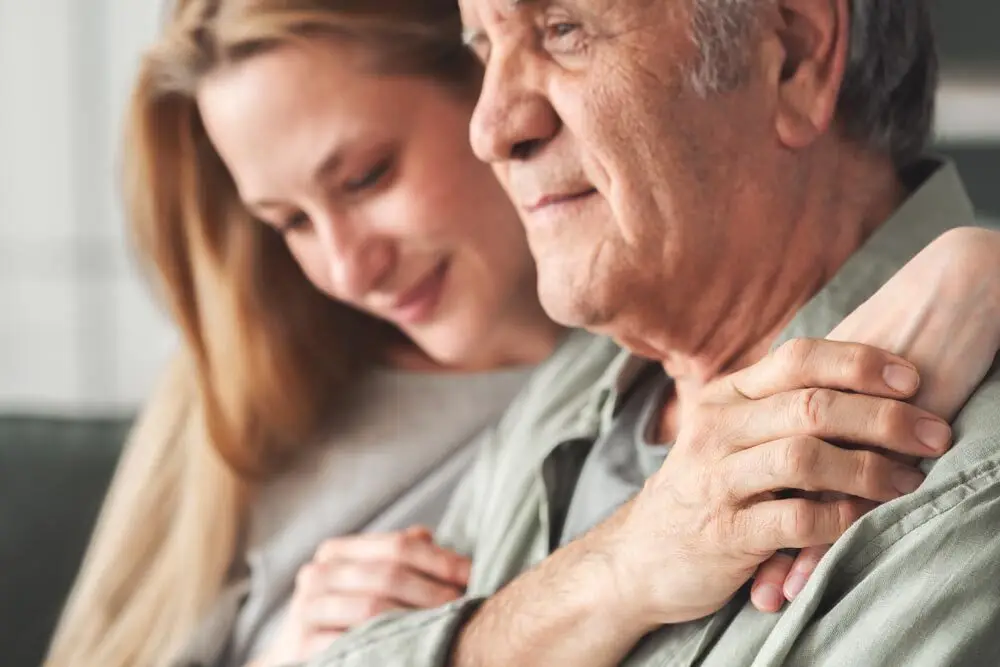
By staying informed and proactive in managing side effects, you can enhance your treatment experience and focus on the positive steps toward recovery. Remember, you are not alone on this journey; your healthcare team is here to support you every step of the way.

When to Seek Help

It’s important to communicate openly with your oncology team about any side effects you experience, especially those that feel severe or concerning. If you notice unexpected or troubling symptoms, don’t hesitate to reach out to your oncologist, even outside of regular office hours. Prompt communication can lead to timely interventions and adjustments to your care plan.

Difficulty Sleeping / Fatigue

Sleep disturbances can occur during treatment, which may exacerbate fatigue.

Hair Loss / Skin Problems

Cancer treatments can lead to various changes.

Loss of Appetite / Nausea and Vomiting

These are common effects of many cancer treatments.

Lymphedema / Managing Pain

Managing pain effectively is crucial to your overall well-being.

“Remember how far you’ve come, not just how far you have to go. You may not be where you want to be, but neither are you where you used to be. It can be easy to get caught up in how far you have to go. Don’t forget to look back, and recognize how far you have come. Every day brings you one step closer.” — Encouragement from a cancer survivor

Difficulty Sleeping / Fatigue

Difficulty Sleeping – Sleep disturbances can occur during treatment, which may exacerbate fatigue. Consider these strategies to improve sleep:

  • Create a calming bedtime routine.
  • Keep your sleeping environment dark, cool, and quiet.
  • Go to bed and wake up at consistent times.
  • Limit screen time before bed and reduce caffeine intake.
  • Discuss melatonin or other sleep aids with your healthcare provider.


Fatigue – Fatigue can be overwhelming and may affect your mental health as well. Strategies for managing fatigue include:

  • Engaging in regular, light exercise to boost energy levels.
  • Practicing yoga or meditation to alleviate emotional stresses.
  • Consulting with a counselor or social worker for additional support.

Hair Loss / Skin Problems

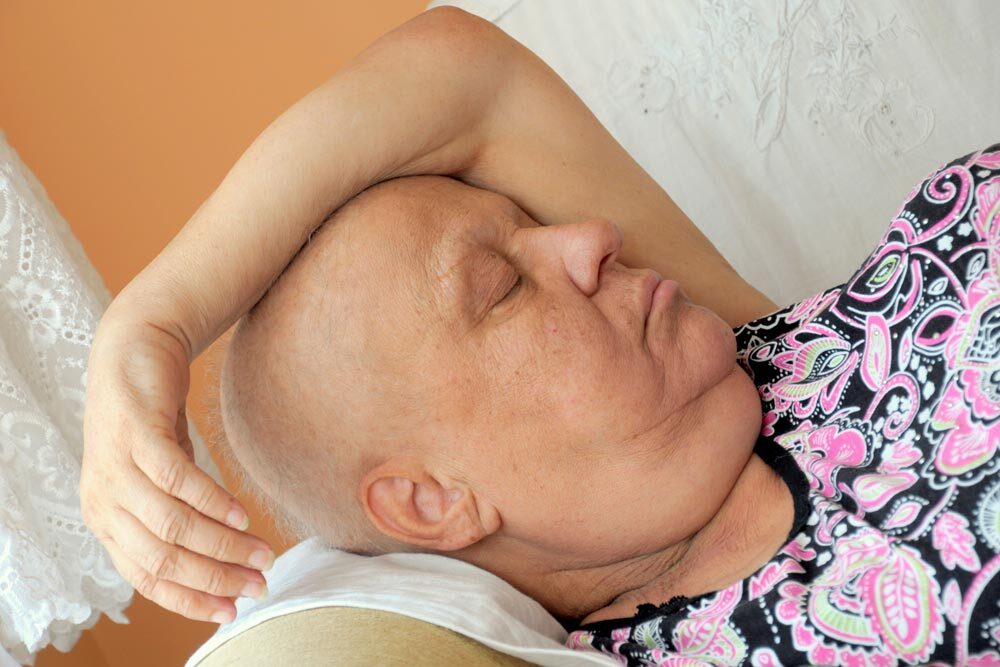
Hair Loss – While hair loss is often associated with cancer treatment, not every patient will experience it. To manage hair loss:

  • Be gentle with your hair care routine and consider head coverings or wigs to boost your confidence.
  • Use cooling caps, if recommended, to possibly reduce hair loss during chemotherapy.
  • Connect with support groups to share experiences and feelings surrounding hair loss.


Skin Problems – Treatments can lead to various skin changes. To care for your skin during treatment:

  • Keep affected areas clean and moisturized with gentle, fragrance-free products.
  • Wear loose-fitting clothing and use sunscreen to protect sensitive skin.

Loss of Appetite / Nausea and Vomiting

Loss of Appetite – Maintaining proper nutrition is vital during treatment. If you experience appetite changes:

  • Opt for smaller, more frequent meals packed with protein.
  • Stay hydrated and ask about anti-nausea medications that can improve your eating experience.
  • Consider discussing dietary changes with a nutritionist.


Nausea and Vomiting – These are common effects of many cancer treatments. To mitigate nausea:

  • Avoid strong scents and stick to bland foods.
  • Maintain hydration, especially with electrolyte drinks if vomiting occurs.
  • Take prescribed anti-nausea medications as directed.

Lymphedema / Managing Pain

Lymphedema – This condition may result from surgery or radiation impacting the lymphatic system. To manage lymphedema:

  • Wear compression garments and consult with a certified lymphedema therapist for specialized care.
  • Regular exercise and gentle stretching can improve lymph fluid drainage.


Pain – Managing pain effectively is crucial to your overall well-being. Strategies include:

  • Taking prescribed medications consistently and discussing pain management options with your doctor.
  • Applying heat or ice to areas of discomfort, depending on what provides relief.