

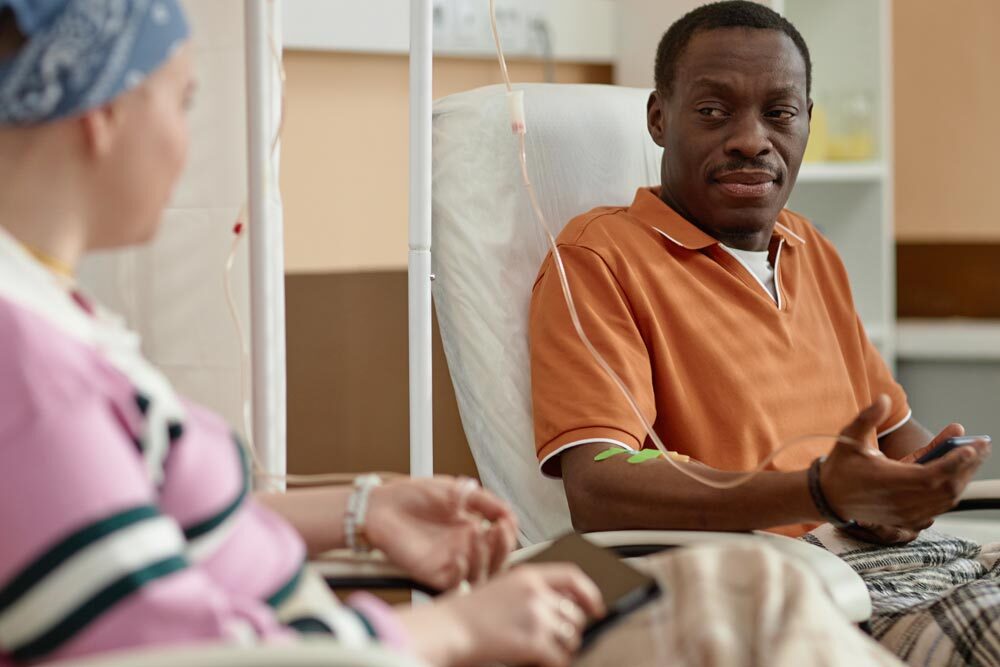


Mental Health

Many cancer survivors face emotional challenges such as anxiety, depression, or fear of recurrence.

Navigating Emotional Well-Being

Living with cancer can significantly impact mental and emotional health, affecting not only patients but also their families and caregivers. Addressing mental health is a vital part of comprehensive cancer care, helping individuals cope with the challenges of diagnosis, treatment, survivorship, and beyond.

Prioritizing mental health is a crucial component of cancer care, promoting overall well-being during treatment and beyond. Remember, you don’t have to face this journey alone—help is available, and seeking support is a sign of strength. Taking care of your emotional health can empower you to navigate the challenges of cancer with resilience and hope.

Prioritizing mental health is a crucial component of cancer care.

Remember, you don’t have to face this journey alone—help is available, and seeking support is a sign of strength. Taking care of your emotional health can empower you to navigate the challenges of cancer with resilience and hope. mental health is a crucial component of cancer care. Promoting overall well-being during treatment and beyond should be the goal.

Treatment and Survival

Healing is not only physical but also mental and emotional.

Support and Resources

Supporting mental health throughout the cancer journey involves accessing appropriate resources.

“Small steps every day. Every small step counts. You might not reach your goal today but that is okay.”
— Support Team

Treatment and Surviving

During Treatment

Receiving a cancer diagnosis can evoke feelings of shock, fear, anger, or uncertainty. The stress of treatment side effects, hospital visits, and lifestyle changes can lead to anxiety and depression. It is normal to experience a wide range of emotions during this time. Maintaining open communication with your healthcare team about your emotional well-being is essential. Psychological support or counseling can provide tools to manage anxiety, depressive symptoms, and emotional distress.

Surviving Cancer

While completing treatment brings relief, many survivors face ongoing emotional challenges such as fear of recurrence, adapting to physical changes, or reintegrating into daily life. Feelings of vulnerability, grief, or identity shifts are common. Building a support network, engaging in self-care, and participating in survivorship programs can foster resilience and emotional strength. Remember, healing is not only physical but also mental and emotional.

Support and Resources

Supporting mental health throughout the cancer journey involves accessing appropriate resources:

  • Counseling and Therapy: Licensed mental health professionals, including psychologists and social workers, specialize in addressing cancer-related emotional issues. Sessions can offer coping strategies, emotional processing, and support for anxiety or depression.
  • Support Groups: Connecting with others who have similar experiences provides comfort, shared knowledge, and a sense of community. Many organizations offer in-person and virtual support groups for patients and caregivers.
  • Mind-Body Techniques: Practices such as meditation, yoga, relaxation exercises, or journaling can reduce stress and promote emotional balance.
  • Educational Resources: Learning about common emotional reactions to cancer can normalize your experience and provide helpful coping tips. Many cancer centers and organizations offer educational materials or workshops.
  • Emergency Support: If you experience severe depression, thoughts of self-harm, or suicidal feelings, seek immediate help by contacting emergency services or going to the nearest emergency room.


Where to Get Help:

  • Talk to your healthcare team about mental health concerns; they can refer you to mental health specialists experienced in oncology.
  • Contact local mental health clinics or community organizations offering counseling services.
  • Utilize national resources like the American Cancer Society’s Reach To Recovery program or the National Alliance on Mental Illness (NAMI).