




Breast Cancer

The Cancer Specialists at El Portal Cancer Centers provide professional, compassionate understanding and state-of-the-art treatment while supporting you on your cancer journey.

Mother with her two daughters

Supporting You Every Step of the Way

Navigating a breast cancer diagnosis can be a deeply personal and unique experience, just like each individual it affects. At El Portal Comprehensive Cancer Centers (EPCC), we are committed to providing tailored care and cutting-edge treatments through a compassionate team of experts focused on your health and well-being. Let us help you find the right breast cancer treatment option in the Central Valley, and who will stand by you every step of the way.

A Multidisciplinary Approach to Breast Cancer Treatment

Breast cancer treatment often involves a collaboration of various specialists and medical professionals. At EPCC, we bring together a team of experienced providers who are well-versed in the latest advancements in breast cancer treatment. Our comprehensive supportive care team works alongside specialists to create a holistic treatment approach tailored to the individual needs of each patient throughout California.

Compassionate care is premiere at El Portal Cancer Center in the Central Valley of California

Supporting You Every Step of the Way

Navigating a breast cancer diagnosis is a deeply personal and unique experience, just like the individual it affects.

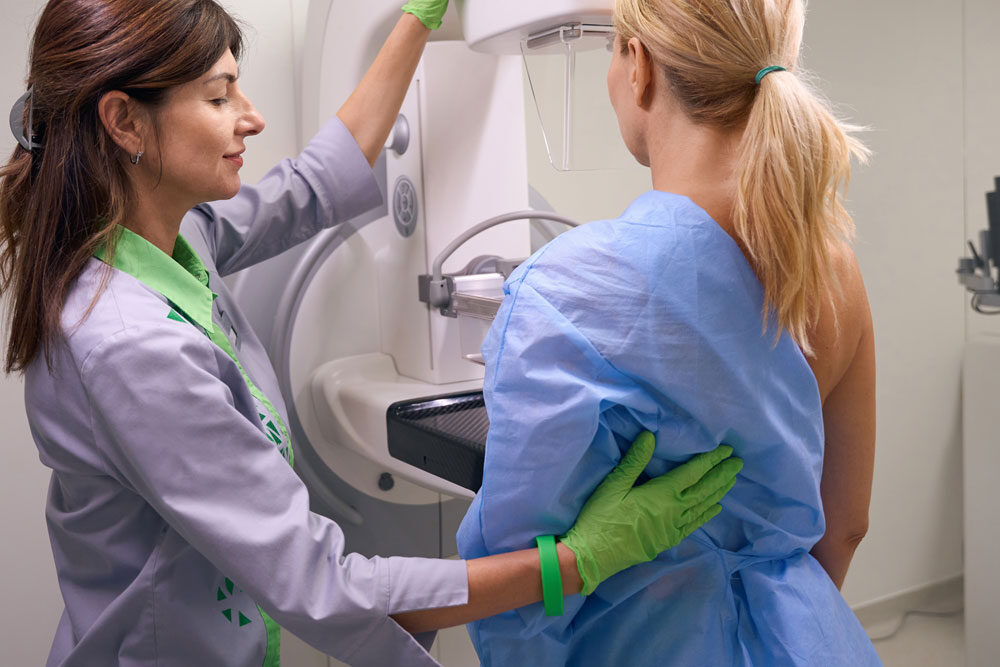
Mammograms and Early Detection

Mammograms play a critical role in the early detection of breast cancer, often revealing issues before symptoms arise.

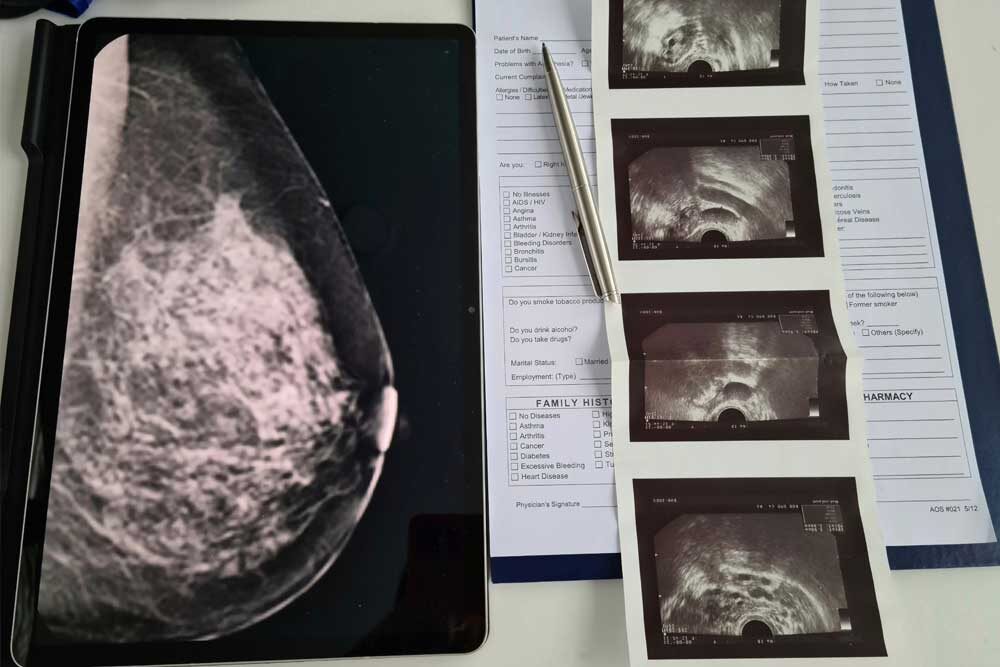
Diagnosing Breast Cancer: The Tools We Use

Mammograms remain the most common method for detecting breast cancer.

Facing a Breast Cancer Diagnosis

A breast cancer diagnosis can feel overwhelming, remember that you are not alone.

How to do a Breast Self Exam

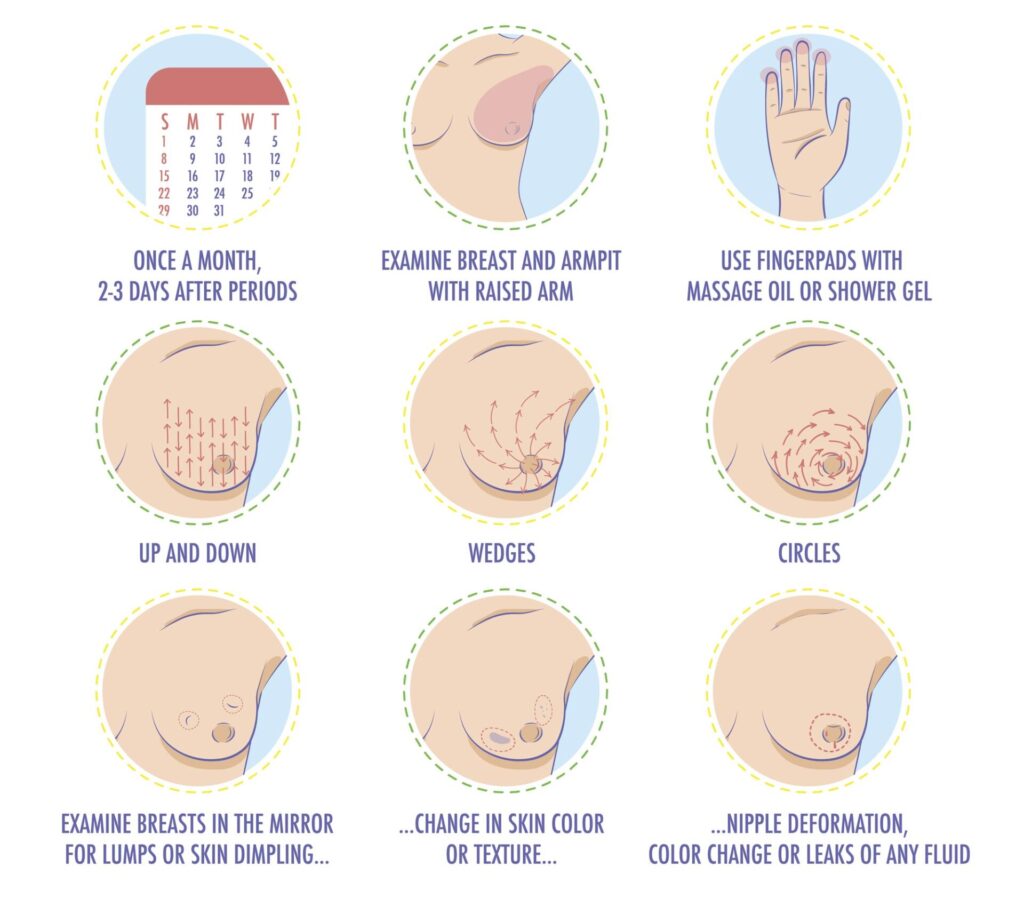
Performing a breast self-exam (BSE) is a simple yet effective way for individuals to familiarize themselves with their breast tissue and detect any changes. Here are the steps to conduct a breast self-exam:
  1. Select a Comfortable Location – Find a comfortable and private space where you can perform the exam quietly without distractions.
  2. Visual Inspection – Stand in front of a mirror: Remove your clothing from the waist up and stand with your arms at your sides.
  3. Observe your breasts: Look for any noticeable changes, including: • Shape or size changes • Dimpling, puckering, or bulging of the skin • Discoloration (redness or swelling) • Changes in the nipple (inversion or discharge) • Raise your arms: Lift your arms above your head and look for the same changes with your arms raised.
  4. Physical Inspection – Lying Down: It’s often easier to feel your breast tissue while lying down. Place a pillow under your right shoulder and your right arm behind your head. • Using Your Fingers: Use the pads of your three middle fingers (not your fingertips) to examine your breast. • Press Firmly but Gently: Move your fingers in a circular motion around the entire breast area, covering all parts. You can use different patterns:- Circular: Start at the nipple and move outward in increasingly larger circles. – Up and down: Move vertically from top to bottom. – Wedge: Divide the breast into sections and examine each section. • Examine the Other Breast – Repeat the same steps for your left breast, adjusting the pillow under your left shoulder.
  5. Check the Area Underneath Your Armpits – Feel in your armpit area for any lumps or changes. The breast tissue extends into this region.
  6. Nipple Check – Gently squeeze each nipple to check for any discharge or changes.
  7. Record Your Findings – Take note of any changes or abnormalities you might find. If you notice anything unusual, such as lumps, changes in texture, or persistent pain, consult your healthcare provider.
  8. Frequency – Perform a breast self-exam once a month, ideally a few days after your period ends when breasts are least likely to be tender or swollen. If you no longer have periods, choose a specific date each month that’s easy to remember.
  9. Stay Informed – Stay educated about breast health and discuss any concerns or questions with your healthcare provider during routine check-ups.

Breast self-exams can help promote body awareness and contribute to early detection of potential issues, but they should not replace regular clinical exams and mammograms as recommended by healthcare providers.

Click above for your Breast Self Exam chart. [PDF]

“Compassion is the bridge between the pain of the individual and the healing of the community. In the face of cancer, it reminds us that we are not alone in our journey.” — Unknown​

Diagnosing Breast Cancer: The Tools We Use

Ultrasound and MRI as Diagnostic Tools

Breast ultrasounds can distinguish between solid masses and fluid-filled cysts, using sound waves rather than radiation to generate detailed images. For women with dense breast tissue or those at high risk, breast MRIs offer a more nuanced view, helping to differentiate normal tissue from abnormalities.

Biopsy: Confirming the Diagnosis

If concerns persist after imaging studies, a breast biopsy is necessary to determine the presence of cancer cells. This procedure involves the removal of tissue for examination, typically performed by a surgeon or breast specialist.

Types of Breast Cancer Biopsies

Your healthcare provider may suggest various biopsy techniques based on your situation, including:

  • -Fine-Needle Aspiration: A thin needle collects cells or fluid from a lump.
  • Core Biopsy: A wider needle removes a larger tissue sample.
  • Skin Biopsy: A small skin sample is taken if there are visible changes.
  • Surgical Biopsy: This can be either incisional (removing part of the lump) or excisional (removing the entire lump).

After the biopsy, a pathologist will analyze the sample, confirming the presence of cancer and identifying its type. The two most common types are ductal carcinoma and lobular carcinoma.

Testing for Hormones, HER2, and Genetic Mutations

Biopsy samples undergo specific testing to assess hormone receptor status and mutations, including HER2. While waiting for these test results can be challenging, understanding them is essential for guiding your treatment plan.

Understanding Hormone Receptors and HER2 Neu Receptors

Tumors may possess hormone receptors that contribute to their growth, influencing the treatment options available. If HER2/neu protein is present in excess, targeted therapies can be employed to hinder its effects on the cancer’s development.

Genetic Testing for Personalized Treatment

Understanding genetic factors in breast cancer is critical. Testing can identify inherited mutations that may guide you towards targeted therapies.

Facing a Breast Cancer Diagnosis: What Comes Next?

As you process this life-changing news, know that El Portal Cancer Centers and our staff stand with you, offering strength and compassionate encouragement as you navigate treatment and beyond. You can count on us to help you regain control and move forward with hope and resilience. Together, we are dedicated to supporting you through every phase of your cancer journey.

After a breast cancer diagnosis, here are several important steps to follow to ensure comprehensive care and support. This outline will help you to navigate what happens next.

  1. Consultation: Meet with your oncologist and other specialists to discuss the diagnosis, staging of the cancer, and available treatment options. This may include surgical options, radiation therapy, chemotherapy, targeted therapy, or hormone therapy.

  2. Treatment Planning: Work with your medical team to develop a personalized treatment plan based on the type of breast cancer, its stage, and your overall health. This plan should outline the proposed treatments, timelines, and potential side effects.

  3. Second Opinion: Consider seeking a second opinion from another healthcare professional or cancer center. This can provide additional perspectives on your treatment options and help you feel more confident in your decisions.

  4. Learn About Your Diagnosis: Educate yourself about your specific type of breast cancer, treatment options, and potential side effects. Understanding your condition can empower you to make informed decisions.

  5. Emotional Support: Reach out for emotional support from family, friends, or support groups. Talking with others who have gone through similar experiences can help you cope with the emotional challenges of a cancer diagnosis.

  6. Nutrition and Wellness: Focus on maintaining a healthy diet and lifestyle. A nutritionist may help you develop a meal plan that supports your treatment and overall health. Incorporating physical activity, if possible, can also be beneficial.

  7. Regular Monitoring and Follow-Up: Schedule regular follow-up appointments with your healthcare team to monitor your progress and manage any side effects of treatment. Follow-up care is important for detecting any potential recurrence of cancer.

  8. Explore Support Services: Many hospitals and cancer centers offer resources such as counseling, financial assistance, and educational programs. Explore these services to help navigate your journey.

  9. Consider Long-Term Planning: Discuss potential long-term effects of treatment with your doctor, including hormonal changes, fertility issues, and menopause. Planning for these aspects can help you prepare emotionally and physically.

  10. Celebrate Milestones: Acknowledge and celebrate milestones along your journey, whether it’s completing treatment, receiving positive test results, or simply reaching personal goals.

Every person’s journey is unique, and it’s essential to communicate openly with your healthcare team and loved ones throughout the process. Prioritize self-care, seek support, and remember that it’s okay to ask for help when needed.