









Screening Guidelines

Screening for cancer plays a critical role in early detection and management, enabling timely interventions that can improve outcomes.

Blood Cancers and Non-Cancerous Blood Disorders

Cervical Cancer


Colorectal Cancer

Prostate Cancer

Pancreatic Cancer

General Screening - Most Cancers

“Never be ashamed of a scar. It simply means you were stronger than whatever tried to hurt you. Everyone has scars—whether you can see them or not. Wear yours with pride.”

Breast Cancer Screening Guidelines

Breast cancer screening guidelines are designed to help detect breast cancer early when it is most treatable. Here’s an overview of the current recommendations for both women and men.

Breast Cancer Screening Guidelines for Women

Age to Start Screening:

  • Ages 40 – 44:Women should have the option to start annual screening mammograms if they choose to do so.
  • Ages 45 – 54:Annual mammograms are recommended.
  • Ages 55 and Older:Women can transition to biennial (every two years) mammograms, or they may continue annual screening if they prefer. Screening should continue as long as a woman is in good health and has a life expectancy of 10 years or more.
  • Clinical Breast Exam: Clinical breast exams by a healthcare provider are no longer universally recommended as part of routine screening but may still be performed based on individual patient needs.

Breast Self-Exam: Regular breast self-exams are not recommended as a primary screening tool, but being familiar with one’s breast tissue can help women notice any changes.

For Women at Higher Risk: Women with a family history of breast cancer, genetic mutations (like BRCA1 or BRCA2), or other risk factors may need to begin screening earlier (often at age 30) and consider additional imaging tests like MRI.


Breast Cancer Screening Guidelines for Men

General Recommendations: Routine screening mammograms are not recommended for men. However, awareness of breast changes is essential, as men can develop breast cancer, though it is rare.

Awareness and Self-Exams: Men should also be aware of their breast tissue and report any changes, such as lumps or changes in appearance, to a healthcare provider.

For Men at Higher Risk: Men with significant family histories of breast cancer or genetic predispositions may require more frequent monitoring and potentially earlier screening.


Summary

Breast cancer screening is crucial for early detection and successful treatment. Women should begin regular screening based on established age guidelines, while men should remain vigilant about changes in their breast tissue, especially if they are at higher risk. It’s essential for individuals to have open discussions with their healthcare providers about personal risk factors and the most appropriate screening protocols for their circumstances.


Screening Guidelines for Blood Cancers and Non-Cancerous Blood Disorders

Lung cancer screening is designed to detect the disease in its early stages when treatment is most effective. Here are the current guidelines for lung cancer screening, focusing primarily on individuals at high risk.

Screening Recommendations

High-Risk Individuals:

  • Age:Annual screening is recommended for adults aged 50 to 80
  • Smoking History: Individuals with a 30 pack-year smoking history (smoking one pack per day for 30 years, or two packs per day for 15 years) or a comparable history of smoking need to be screened. This includes current smokers and those who have quit within the last 15 years.
  • Risk Factors: Individuals with other risk factors, such as a significant family history of lung cancer or exposure to certain carcinogens (like asbestos), may also be considered for screening.
  • Screening Method: The primary method recommended for lung cancer screening is low-dose computed tomography (LDCT). This technology uses lower doses of radiation than traditional CT scans and is effective in identifying early-stage lung cancers.
  • Screening Intervals: If no cancer is detected, individuals should continue to receive annual LDCT screenings as long as they meet the high-risk criteria.
  • Discontinuing Screening: Screening should be discontinued when an individual has not smoked for 15 yearsor if they are no longer in good health and unable to undergo treatment for lung cancer.


Importance of Screening
Lung cancer is often diagnosed at a late stage, which can impact treatment success and survival rates. Early detection through appropriate screening can significantly improve outcomes for high-risk individuals.

Discussing Screening with a Healthcare Provider

It’s essential for individuals who meet the high-risk criteria to have discussions with their healthcare providers about the benefits and risks of lung cancer screening. This conversation should also encompass personal health history and any additional risk factors that may influence the recommendation for screening.

Regular consultations and follow-up evaluations can help ensure that individuals remain informed and proactive about their lung health.

Cervical Cancer Screening Guidelines

Cervical cancer screening is crucial for early detection and prevention of the disease. Here’s an overview of the current recommendations for cervical cancer screening:

General Recommendations

Age to Start Screening:

  • Women Ages 21 to 29: Begin screening with a Pap test(cervical cytology) every 3 years.
  • Women Ages 30 to 65: There are two screening options:
  • Pap Test Alone: Every 3 years.
  • HPV Test Alone: Every 5 years (preferred option).
  • Pap and HPV Co-Testing: Every 5 years.


Age to Stop Screening:
Women may stop cervical cancer screening at age 65if they have had regular screening with negative results in the past and are not at high risk for cervical cancer.

Frequency of Screening: Screening intervals can vary based on age, past medical history, and the type of test being used. Women should consult with their healthcare provider to determine the best schedule for screening.

Special Considerations

Women with Higher Risk: Women who have a history of cervical cancer, high-grade cervical lesions, or are immunocompromised (e.g., those with HIV) may require more frequent screening, starting earlier and continuing beyond age 65.

Post-Hysterectomy: Women who have undergone a hysterectomy (surgical removal of the uterus and cervix) for non-cancerous reasons typically do not need cervical cancer screening, unless the surgery was done for cervical cancer or pre-cancer.

Vaccination: The HPV vaccine can significantly reduce the risk of cervical cancer. Vaccination is recommended for preteens, but it is also beneficial for young adults who have not been vaccinated.

Importance of Screening

Cervical cancer screening has dramatically reduced cervical cancer rates and mortality through early detection and the ability to identify precancerous changes. Women are encouraged to maintain regular screenings and follow the guidelines to ensure their health and well-being.

Conclusion

Regular cervical cancer screening is an essential part of preventive healthcare for women. Open discussions with healthcare providers can help assess individual risk factors and tailor screening schedules appropriately.

Common Colorectal Cancer Screening Methods

Several screening tests are available, ranging from convenient at-home options to more comprehensive procedures performed at healthcare facilities. Your doctor will work with you to select the best method based on your age and family history.

At-Home Screening Options

These tests allow you to screen in the comfort of your home without extensive preparation, though they may carry risks of false positives.

  1. At-Home Testing for Colorectal Cancer: If you are under 50, your physician may recommend at-home testing before scheduling a colonoscopy. This approach lets you complete the test without a day of prior colon preparation. However, it’s essential to note that these tests may overlook some polyps and cancers.
  2. Stool DNA Test: Advances in at-home stool testing, such as Cologuard, have made it easier to conduct Fecal Immunochemical Tests (FIT). This simple test checks for blood and genetic changes without requiring extensive dietary changes.
  3. Guaiac-based Fecal Occult Blood Test (gFBOT): Another home test prescribed by your doctor, gFBOT identifies hidden blood in the stool. If blood is detected, follow-up with a colonoscopy is typically necessary.


Screening at Healthcare Facilities

Screening procedures conducted in medical facilities are often the most accurate and valuable in colorectal cancer detection, allowing for the immediate removal of any suspicious polyps.

  • Standard Colonoscopy: In this procedure, a colonoscope provides detailed images of your colon and allows for tissue removal if abnormalities are found. Proper preparation and sedation are necessary for successful outcomes, and studies show that regular colonoscopies can significantly reduce colorectal cancer mortality rates.
  • Virtual Colonoscopy: Utilizing CT imaging to view your colon, this test usually does not require sedation but does involve bowel preparation. If potential issues arise, a standard colonoscopy may follow for confirmation.


When Should You Be Screened for Colorectal Cancer?

The American Cancer Society (ACS) has recently lowered the recommended screening age from 50 to 45 due to rising colorectal cancer rates among younger adults. Contributing factors may include dietary choices, physical inactivity, and obesity.
Recommended screening frequencies vary based on risk levels:

  • Average Risk: Adults with no family history of colorectal cancer should undergo screenings every ten years.
  • High Risk: Those with a family history, previous inflammatory diseases, or prior radiation exposure to the pelvic area should start screenings earlier and have them more frequently.

Lung Cancer Screening Guidelines

Lung cancer screening is designed to detect the disease in its early stages when treatment is most effective. Here are the current guidelines for lung cancer screening, focusing primarily on individuals at high risk.

Screening Recommendations

High-Risk Individuals:

  • Age:Annual screening is recommended for adults aged 50 to 80
  • Smoking History: Individuals with a 30 pack-year smoking history (smoking one pack per day for 30 years, or two packs per day for 15 years) or a comparable history of smoking need to be screened. This includes current smokers and those who have quit within the last 15 years.
  • Risk Factors: Individuals with other risk factors, such as a significant family history of lung cancer or exposure to certain carcinogens (like asbestos), may also be considered for screening.
  • Screening Method: The primary method recommended for lung cancer screening is low-dose computed tomography (LDCT). This technology uses lower doses of radiation than traditional CT scans and is effective in identifying early-stage lung cancers.
  • Screening Intervals: If no cancer is detected, individuals should continue to receive annual LDCT screenings as long as they meet the high-risk criteria.
  • Discontinuing Screening: Screening should be discontinued when an individual has not smoked for 15 yearsor if they are no longer in good health and unable to undergo treatment for lung cancer.


Importance of Screening
Lung cancer is often diagnosed at a late stage, which can impact treatment success and survival rates. Early detection through appropriate screening can significantly improve outcomes for high-risk individuals.

Discussing Screening with a Healthcare Provider

It’s essential for individuals who meet the high-risk criteria to have discussions with their healthcare providers about the benefits and risks of lung cancer screening. This conversation should also encompass personal health history and any additional risk factors that may influence the recommendation for screening.

Regular consultations and follow-up evaluations can help ensure that individuals remain informed and proactive about their lung health.

Prostate Cancer Screening Guidelines

Prostate cancer screening guidelines are designed to help identify the disease in its early stages when it can be treated more effectively. Here’s an overview of the current recommendations:

Screening Recommendations

Age to Start Screening:

  • Men at Average Risk:Screening for prostate cancer using the prostate-specific antigen (PSA) test is generally recommended to begin at age 50.
  • Men at High Risk:For those at higher risk, including African American men or those with a family history of prostate cancer, screening may begin earlier, at age 45.
  • Risk Factors:


Family History:
A strong family history of prostate cancer (e.g., a father or brother diagnosed with the disease).

Ethnicity: African American men are at a higher risk for developing prostate cancer.

Genetic Factors: Inherited genetic mutations, such as BRCA1 or BRCA2, can increase risk.

Discussion of Screening: It is crucial for men to have an informed discussion with their healthcare provider about the risks and benefits of prostate cancer screening, including the potential for false positives and overdiagnosis. This discussion should encompass personal risk factors and overall health status.

Shared decision-making is emphasized to ensure that individuals understand the implications of screening and can make choices that align with their values and preferences.

Screening Methods:

  • PSA Test:A blood test measuring the level of prostate-specific antigen. Elevated levels may indicate prostate cancer or other prostate conditions.
  • Digital Rectal Examination (DRE):Although less commonly used as a standalone screening tool, a DRE may be performed alongside the PSA test to check for abnormalities in the prostate.

Follow-Up: If screening results indicate elevated PSA levels or if a DRE suggests abnormalities, further evaluation, including a biopsy, may be recommended to confirm the presence of prostate cancer.

Discontinuing Screening: For men over age 70or those with less than a 10-year life expectancy due to other health issues, the benefits of continuing routine screening may not outweigh the risks. Discussions around stopping screening should be had with healthcare providers.

Summary

Prostate cancer screening is an important health consideration for men, particularly those at higher risk. Open communication with healthcare providers can help guide decisions about when to start screening and how to proceed based on individual circumstances.

Pancreatic Cancer Screening Guidelines

Pancreatic cancer is often diagnosed at an advanced stage, making early detection challenging. As a result, screening guidelines focus primarily on high-risk individuals rather than the general population. Here’s an overview of current recommendations for pancreatic cancer screening:

General Recommendations

  • High-Risk Individuals: Screening for pancreatic cancer is recommended primarily for individuals at high risk due to specific factors:
  • Family History: A strong family history of pancreatic cancer or other associated cancers (e.g., breast, ovarian, or colorectal cancer) may heighten risk. Individuals with genetic syndromes, such as BRCA2mutations, Lynch syndrome, or familial atypical multiple-mole melanoma syndrome (FAMMM), are also at increased risk.
  • Chronic Pancreatitis:Long-standing inflammation of the pancreas can elevate the risk of developing cancer.
  • Age and Testing: For individuals at high risk, screening usually begins between ages 40 and 50, depending on individual risk factors and family history.
  • Women with BRCA mutations may start screening at age 50or younger.


Screening Methods

Imaging Tests:

  • MRI (Magnetic Resonance Imaging) or Endoscopic Ultrasound (EUS): These imaging techniques are the most commonly used for pancreas cancer screening in high-risk individuals. They provide detailed images of the pancreas and can help identify cysts or tumors.
  • Biomarker Testing: Research is ongoing to identify blood markers associated with pancreatic cancer, but as of now, there are no established routine blood tests for screening.


Follow-Up and Risk Management

  • Regular Monitoring: Individuals at high risk should undergo regular screening every 1 to 2 years, depending on their healthcare provider’s recommendations and findings from previous screenings.
  • Genetic Counseling: For individuals with a strong family history or genetic predisposition, genetic counseling can provide insights and may help guide decision-making regarding screening and preventive measures.


Conclusion

Because of the aggressive nature of pancreatic cancer and its often late-stage diagnosis, screening is primarily targeted at those identified as high risk. If you have concerns about your risk for pancreatic cancer, it’s essential to discuss them with your healthcare provider, who can help assess your risk and establish an appropriate screening plan.

Screening Guidelines for Skin Cancer

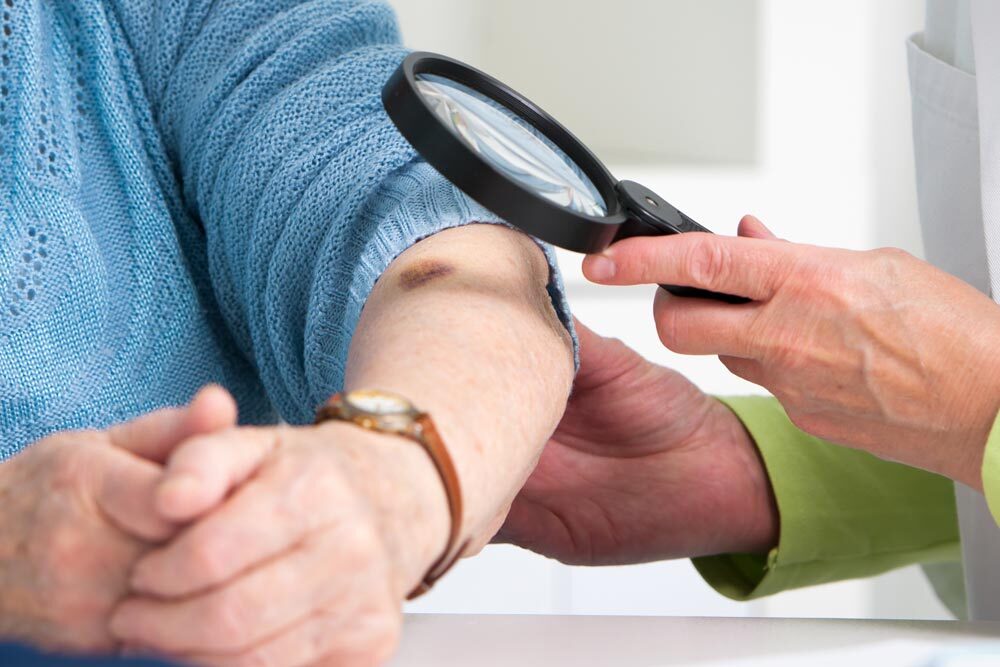
Screening guidelines for skin cancer focus mainly on early detection through self-examination and professional skin checks, since there is no standard screening test like a blood test. Here’s what is generally recommended:

  • Self-Examinations:
    Regularly review your skin for new or changing spots, moles, or lesions. Look for the ABCDEs of melanoma—Asymmetry, Border irregularity, Color variation, Diameter larger than 6mm, and Evolution or change over time.

  • Professional Skin Exams:
    Adults at average risk should have a skin check by a healthcare provider during routine health visits, especially if they have risk factors such as a history of sunburns, tanning bed use, fair skin, or a large number of moles.

  • High-Risk Individuals:
    Those with a personal or family history of skin cancer, weakened immune systems, or significant sun exposure should have more frequent skin exams, potentially annually or as advised by a dermatologist.

  • Preventive Measures:
    Use sun protection—wear protective clothing, broad-spectrum sunscreen, and seek shade—especially during peak sun hours.

Note: Because early detection saves lives, if you notice any suspicious changes in your skin, schedule an evaluation with a dermatologist promptly. Regular self-awareness and professional exams are key parts of skin cancer prevention and early detection.

General Screening Guidelines

Generalized screening guidelines aim to detect cancers early when treatment is most effective. While specific recommendations vary by cancer type, age, and individual risk factors, here are common screening guidelines for many cancers:

General Screening Recommendations:

  • Breast Cancer:
    Women aged 50–74 should have mammograms every 1–2 years. Women at higher risk may need earlier or more frequent screening.

  • Cervical Cancer:
    Women aged 21–65 should have Pap tests every 3 years; women aged 30–65 may also opt for HPV testing every 5 years.

  • Prostate Cancer:
    Discuss with your healthcare provider starting at age 50–55, especially if at average risk. Men at higher risk (African American men, those with family history) may need earlier screening.

  • Colorectal (Colon) Cancer:
    Starting at age 45–50, adults should have regular screenings such as colonoscopy every 10 years, stool tests annually, or other methods, depending on risk factors and physician advice.

  • Lung Cancer:
    For high-risk individuals (e.g., heavy smokers aged 50–80), annual low-dose CT scans are recommended.

  • Skin Cancer:
    Regular self-examinations and annual skin checks by a healthcare professional, especially for those at high risk.

  • Other cancers (e.g., ovarian, pancreatic):
    Currently, no routine screening is recommended for the general population, but high-risk groups may undergo specialized testing as advised by healthcare providers.


Key Takeaways:

  • Screening is most beneficial for early detection and prevention, especially in high-risk groups.
  • Talk with your healthcare provider to determine personalized screening schedules based on your age, medical history, genetics, and lifestyle.
  • Maintain healthy habits, protect yourself from known risk factors, and stay informed about recommended screenings for your personal health.

Note: Always follow the guidance of your healthcare provider for the most appropriate screening plan tailored to your specific needs.