








Lymphoma

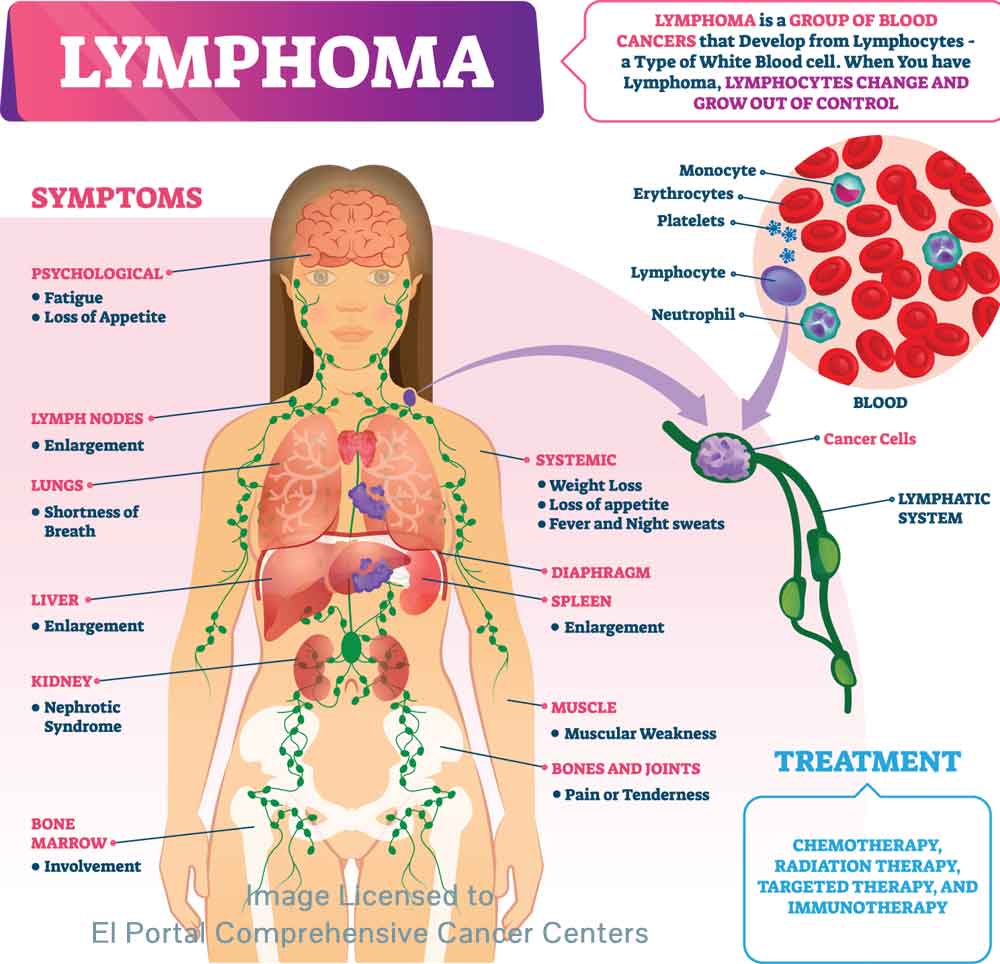
Lymphoma is a type of cancer that originates in the lymphatic system, which is part of the body’s immune system. Early detection and intervention are key to achieving the best outcomes. 

Understanding Lymphoma: A Comprehensive Mission

There are two main types of lymphoma: Hodgkin  lymphoma (HL) and non-Hodgkin lymphoma (NHL)

The following will point out the statistics surrounding treatment and recovery from lymphoma, as well as other important aspects of the disease.

Lymphoma, while a serious condition, boasts a range of positive statistics reflecting significant advancements in treatment and recovery.

Hodgkin Lymphoma (HL)

Characterized by the presence of Reed-Sternberg cells, HL tends to have a predictable pattern of spread and is more common in young adults aged 15-40 and those over 55.

Reed-Sternberg cell: Reed-Sternberg cells are large, abnormal lymphocytes (a type of white blood cell) that may contain more than one nucleus. These cells are found in people with Hodgkin lymphoma. Reed-Sternberg cells are also called Hodgkin and Reed-Sternberg cells.

Click here to download the Lymphoma Overview Chart (pdf)

Non-Hodgkin Lymphoma (NHL)

Non-Hodgkin Lymphoma comprises a diverse group of diseases, and treatment plans are personalized based on many factors, including the specific lymphoma subtype and the patient’s overall health. Early diagnosis and access to effective therapies greatly enhance treatment success rates. It’s essential for patients to discuss all available treatment options with their healthcare providers to determine the most appropriate approach for their individual situation.

Hodgkin Lymphoma

Signs & Symptoms of Hodgkin Lymphoma

Hodgkin lymphoma (HL) can present with various signs and symptoms, which may evolve over time.

Risk Factors of Hodgkin Lymphoma

Several factors can increase the risk of developing Hodgkin lymphoma from age to family history to a weakened immune system.

Treatment Options of Hodgkin Lymphoma

The treatment of Hodgkin lymphoma often depends on the stage of the disease, tumor characteristics, the patient’s age, and overall health.

Statistics Regarding Treatment and Recovery

Lymphoma, while a serious condition, boasts a range of positive statistics reflecting significant advancements in treatment and recovery.

Non Hodgkin Lymphoma

Signs & Symptoms of Non Hodgkin Lymphoma

Non-Hodgkin Lymphoma can present with a variety of signs and symptoms, which may vary depending on the subtype of NHL.

Risk Factors of Non Hodgkin Lymphoma

Several factors can increase the risk of developing Non Hodgkin lymphoma (NHL) from age to family history to a weakened immune system.

Treatment Options of Non Hodgkin Lymphoma

NHL comprises a diverse group of diseases and treatment plans. Early diagnosis and access to effective therapies enhance treatment success rates.

Statistics Regarding Treatment and Recovery

Lymphoma, while a serious condition, boasts a range of positive statistics reflecting significant advancements in treatment and recovery.

“Amid the unknown, remember that courage is not the absence of fear, but the strength to move forward. Each small step you take brings you closer to hope and healing.” — Unknown​

Signs and Symptoms of Hodgkin Lymphoma

Hodgkin lymphoma (HL) can present with various signs and symptoms, which may evolve over time. Common symptoms include:

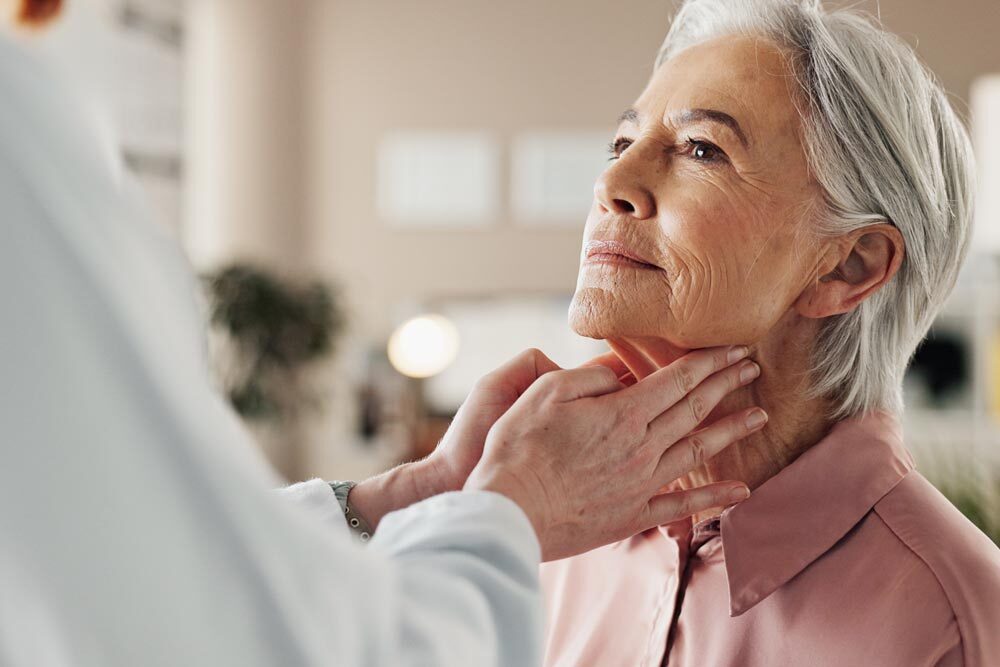
  1. Swollen Lymph Nodes: The most prominent sign is usually painless swelling of lymph nodes in the neck, armpit, or groin. These nodes may feel firm or rubbery.
  2. Fever: Patients may experience persistent fevers without an infectious cause, often referred to as “B symptoms.”
  3. Night Sweats: Drenching night sweats that can soak clothing and bedding, often severe and uncomfortable.
  4. Unexplained Weight Loss: Significant weight loss (more than 10% of body weight) over a short period without changes in diet or exercise.
  5. Fatigue: Persistent fatigue or lack of energy that does not improve with rest.
  6. Itching: Generalized itching (pruritus) can occur without a rash and may be bothersome.
  7. Chest Pain or Cough: If the lymphoma affects areas in the chest, individuals may experience chest pain, persistent cough, or difficulty breathing.
  8. Abdominal Pain or Swelling: Involvement of the abdomen may lead to pain or a sense of fullness due to enlarged lymph nodes or spleen.
  9. Alcohol-Induced Pain: Some patients report pain in lymph nodes after consuming alcohol, which is quite specific to Hodgkin lymphoma.


Risk Factors of Hodgkin Lymphoma

Several factors can increase the risk of developing Hodgkin lymphoma:

  1. Age: Hodgkin lymphoma is most commonly diagnosed in young adults aged 15-35 and older adults aged 55 and above.
  2. Gender: It is more common in males than females.
  3. Family History: A family history of Hodgkin lymphoma or other related cancers may increase risk.
  4. Weakened Immune System: Individuals with weakened immune systems, such as those with HIV/AIDS or those on immunosuppressive therapy, have an increased risk.
  5. Viral Infections: Infections with the Epstein-Barr virus (EBV) and human immunodeficiency virus (HIV) are associated with an elevated risk.
  6. Geographic Location: There are geographic variations in HL incidence, with higher rates reported in certain regions.
  7. Obesity: Some studies suggest a potential link between obesity and an increased risk of Hodgkin lymphoma.
  8. Previous Radiation Therapy: Individuals who received radiation therapy for other cancers, especially during childhood, may have a heightened risk.

Treatment Options for Hodgkin Lymphoma

The treatment of Hodgkin lymphoma (HL) often depends on the stage of the disease, tumor characteristics, the patient’s age, and overall health. Common treatment options include:

  1. Chemotherapy: Chemotherapy is the cornerstone of treatment for Hodgkin lymphoma. Common regimens include ABVD (doxorubicin, bleomycin, vinblastine, and dacarbazine), which is effective in most patients.
  2. Radiation Therapy: Radiation therapy may be used alone or in combination with chemotherapy, especially for localized disease (early-stage HL). It targets specific areas affected by lymphoma.
  3. Stem Cell Transplant: For patients with relapsed or refractory Hodgkin lymphoma, high-dose chemotherapy followed by autologous stem cell transplantation may be considered. This allows for the use of higher doses of chemotherapy to effectively destroy cancer cells.
  4. Immunotherapy: Newer targeted therapies, including monoclonal antibodies (like brentuximab vedotin), use the body’s immune system to fight cancer. This option may be used in certain cases of relapsed or refractory HL.
  5. Clinical Trials: Participation in clinical trials may provide access to innovative therapies and new treatment approaches that are not yet widely available.
  6. Supportive Care: Management of side effects and supportive care to maintain quality of life during treatment are crucial. This may include medication for nausea, pain management, and counseling services.

Statistics Regarding Treatment and Recovery

  1. Hodgkin Lymphoma: The overall 5-year survival rate for Hodgkin lymphoma is approximately 87%, with a significant number of patients achieving long-term remission. Cure rates in early-stage HL can be even higher, exceeding 90%with appropriate treatment.
  2. Advancements in Treatment: Cutting-edge treatments such as targeted therapies and immunotherapy (including CAR T-cell therapy) have shown promising results. In certain cases of relapsed/refractory NHL, CAR T-cell therapy has achieved response rates surpassing 50%.
  3. Chemotherapy Success: First-line chemotherapy regimens for Hodgkin and many types of non-Hodgkin lymphoma, such as R-CHOP (rituximab combined with chemotherapy), lead to high initial response rates, with many patients showing significant reduction or complete disappearance of tumors.
  4. Survivorship: Many lymphoma survivors go on to lead healthy, fulfilling lives. Long-term follow-up studies show that most individuals achieve a normal or near-normal quality of life after treatment, especially with supportive care and monitoring.


Treatment Modalities

  • Combination Chemotherapy: Most lymphomas are treated with combination chemotherapy, which enhances the effectiveness of treatment and reduces the risk of resistance. Such regimens have improved overall survival rates for various lymphoma types.
  • Radiation Therapy: For localized lymphoma, radiation therapy can be highly effective. It often leads to excellent outcomes, especially in early-stage Hodgkin lymphoma, with success rates over 90%.
  • Stem Cell Transplants: For patients with relapsed or refractory lymphoma, autologous stem cell transplants can offer a chance of long-term remission. Survival rates post-transplant can be around 50-60%, depending on various factors.


Ongoing Research and Future Prospects

Customized Treatment Approaches: Advances in genetics and molecular biology allow for more personalized treatment approaches, enabling physicians to tailor therapies based on individual patient characteristics and disease profiles.

Signs and Symptoms of Non-Hodgkin Lymphoma

Non-Hodgkin Lymphoma (NHL) can present with a variety of signs and symptoms, which may vary depending on the subtype of NHL and the areas of the body affected. Common signs and symptoms include:

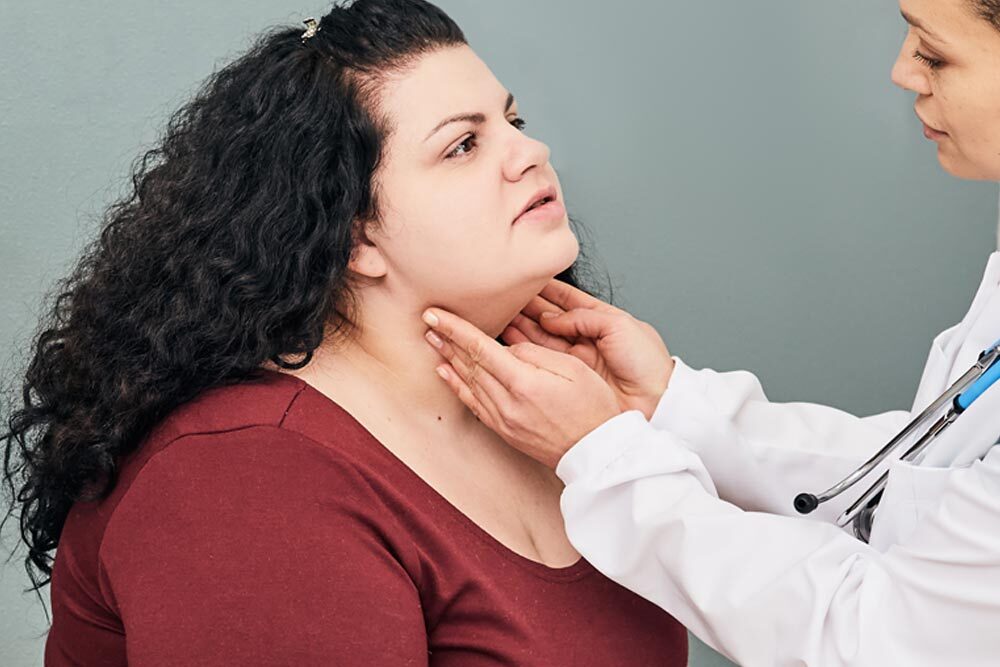
  1. Lymphadenopathy: Swollen lymph nodes, particularly in the neck, armpits, or groin. These may feel rubbery or firm and are often painless.
  2. Fever: Persistent fevers without an obvious cause, sometimes with chills.
  3. Unexplained Weight Loss: Significant weight loss (more than 10% of body weight) without trying or without an underlying reason.
  4. Night Sweats: Drenching night sweats that may soak through clothing and bedding.
  5. Fatigue: Chronic fatigue or weakness that doesn’t improve with rest.
  6. Abdominal Pain or Swelling: Pain or discomfort in the abdomen, which may also be associated with a swollen abdomen due to enlarged lymph nodes or spleen.
  7. Chest Pain: If lymphoma affects the chest area, it can cause chest pain, coughing, or difficulty breathing.
  8. Itching: Generalized itching (pruritus) without a rash, which can be quite bothersome.
  9. Skin Changes: In some cases, NHL can present with skin rashes, lesions, or lumps.


It’s important to note that these symptoms can be caused by other health conditions as well; experiencing one or more of these symptoms doesn’t necessarily mean an individual has NHL. However, if symptoms persist or worsen, it is advisable to consult a healthcare professional for further evaluation.

Risk Factors of Non-Hodgkin Lymphoma

Several factors can increase the risk of developing Non Hodgkin lymphoma (NHL):

  1. Age: The risk of NHL increases with age, with most cases diagnosed in adults aged 60 and older.
  2. Gender: Men are more likely to develop NHL than women.
  3. Weakened Immune System: Individuals with weakened immune systems, such as those with HIV/AIDS, have a higher risk of developing NHL. Immunosuppressive treatments (e.g., for organ transplant patients) also increase risk.
  4. Autoimmune Diseases: Conditions such as rheumatoid arthritis, lupus, or Sjögren’s syndrome can increase the risk due to chronic inflammation and immune activation.
  5. Infections: Certain viral infections, such as the Epstein-Barr virus (EBV), human immunodeficiency virus (HIV), and human T-cell lymphotropic virus (HTLV), have been linked to an increased risk of developing certain types of NHL.
  6. Chemical Exposure: Exposure to certain chemicals, particularly pesticides, herbicides, and solvents such as benzene, may be associated with a higher risk of NHL.
  7. Family History: A family history of lymphoma or other blood cancers may increase an individual’s risk.
  8. Geographic Location: Some studies suggest that living in certain geographic regions with higher pesticide use or specific environmental exposures may contribute to an increased risk.
  9. Obesity: Some research indicates that obesity may be a risk factor for developing various types of lymphoma.
  10. Previous Radiation Therapy: Individuals who have received radiation therapy for other cancers may have an increased risk of developing NHL later.

Treatment Options for Non-Hodgkin Lymphoma

  1. Chemotherapy:Chemotherapy is often the first-line treatment for many types of NHL. It involves the use of powerful drugs to kill cancer cells or inhibit their growth. Commonly used chemotherapy regimens include:
    • R-CHOP:A combination of rituximab (a monoclonal antibody) with cyclophosphamide, doxorubicin, vincristine, and prednisone.
    • CHOP:Similar to R-CHOP but does not include rituximab.
  2. Targeted Therapy: Targeted therapies are designed to specifically attack cancer cells while minimizing damage to normal cells. Some examples include:
    • Rituximab (Rituxan):A monoclonal antibody targeting CD20-positive B-cell lymphomas.
    • Brentuximab Vedotin (Adcetris):A medication that combines an antibody with a chemotherapy drug, used for specific subtypes of NHL.
  3. Immunotherapy: Immunotherapy utilizes the body’s immune system to combat cancer cells. It includes therapies such as:
  4. CAR T-Cell Therapy:A groundbreaking treatment that involves modifying a patient’s own T-cells to target and destroy lymphoma cells, showing high effectiveness in certain types of aggressive NHL.
  5. Nivolumab (Opdivo) and Pembrolizumab (Keytruda):Immune checkpoint inhibitors that help the immune system recognize and attack cancer cells.
  6. Radiation Therapy: Radiation therapy may be used to target specific areas of lymphoma, especially for localized disease. It can be effective in combination with chemotherapy for certain patients.
  7. Stem Cell Transplant: For patients with high-risk or relapsed NHL, stem cell transplantation (autologous or allogeneic) may be considered. This approach allows for the use of high-dose chemotherapy to treat the lymphoma, followed by transplanting healthy stem cells to restore the bone marrow.
  8. Supportive Care: Throughout treatment, supportive care is essential to manage side effects and improve quality of life. This can include anti-nausea medications, pain management, nutritional support, and counseling services.
  9. Observation (Watchful Waiting): In some cases of indolent or slow-growing NHL, especially in asymptomatic patients, a strategy of “watchful waiting” may be recommended, where treatment is delayed until symptoms arise or the disease progresses.


Conclusion

Non-Hodgkin Lymphoma comprises a diverse group of diseases, and treatment plans are personalized based on many factors, including the specific lymphoma subtype and the patient’s overall health. Early diagnosis and access to effective therapies greatly enhance treatment success rates. It’s essential for patients to discuss all available treatment options with their healthcare providers to determine the most appropriate approach for their individual situation.

Statistics Regarding Treatment and Recovery

  1. Non Hodgkin Lymphoma:The 5-year survival rate for non-Hodgkin lymphoma varies widely based on the specific type and stage but is generally around 72%. For some aggressive subtypes, advances in treatment have improved survival rates markedly.
  2. Advancements in Treatment: Cutting-edge treatments such as targeted therapies and immunotherapy (including CAR T-cell therapy) have shown promising results. In certain cases of relapsed/refractory NHL, CAR T-cell therapy has achieved response rates surpassing 50%.
  3. Chemotherapy Success: First-line chemotherapy regimens for Hodgkin and many types of non-Hodgkin lymphoma, such as R-CHOP (rituximab combined with chemotherapy), lead to high initial response rates, with many patients showing significant reduction or complete disappearance of tumors.
  4. Survivorship: Many lymphoma survivors go on to lead healthy, fulfilling lives. Long-term follow-up studies show that most individuals achieve a normal or near-normal quality of life after treatment, especially with supportive care and monitoring.


Treatment Modalities

  • Combination Chemotherapy: Most lymphomas are treated with combination chemotherapy, which enhances the effectiveness of treatment and reduces the risk of resistance. Such regimens have improved overall survival rates for various lymphoma types.
  • Radiation Therapy: For localized lymphoma, radiation therapy can be highly effective. It often leads to excellent outcomes, especially in early-stage Hodgkin lymphoma, with success rates over 90%.
  • Stem Cell Transplants: For patients with relapsed or refractory lymphoma, autologous stem cell transplants can offer a chance of long-term remission. Survival rates post-transplant can be around 50-60%, depending on various factors.


Ongoing Research and Future Prospects

Customized Treatment Approaches: Advances in genetics and molecular biology allow for more personalized treatment approaches, enabling physicians to tailor therapies based on individual patient characteristics and disease profiles.