


Cancer Survivors

Being a cancer survivor means more than just finishing treatment — it reflects a journey of resilience and transformation.

Finding your way back to you.

You faced unique challenges across physical, mental, emotional, and spiritual realms, and you’ve emerged on the other side stronger and wiser. Even if you don’t yet feel exactly like yourself, your experience serves as an inspiration to others. Your journey proves that people affected by cancer can go on to live active, meaningful, and healthy lives.

In the beginning, it’s completely normal to feel overwhelmed about what lies ahead—balancing time with family and friends, managing responsibilities, and envisioning your future. You may find yourself questioning what actions to take or avoid as a survivor, and it’s natural to have concerns about cancer recurrence. Remember, navigating this new chapter takes time, and support is available to help you find your footing and embrace life after cancer.

Helping Others as a Cancer Survivor

Many survivors find purpose in helping others facing similar challenges. Sharing your experience through support groups, mentoring, or advocacy can provide comfort and inspiration to those going through treatment. Volunteering with cancer organizations or participating in awareness campaigns not only supports the community but also reinforces your own resilience and sense of contribution. Giving back can be a meaningful step in the ongoing journey of survivorship.

Effects of Cancer On Family Life

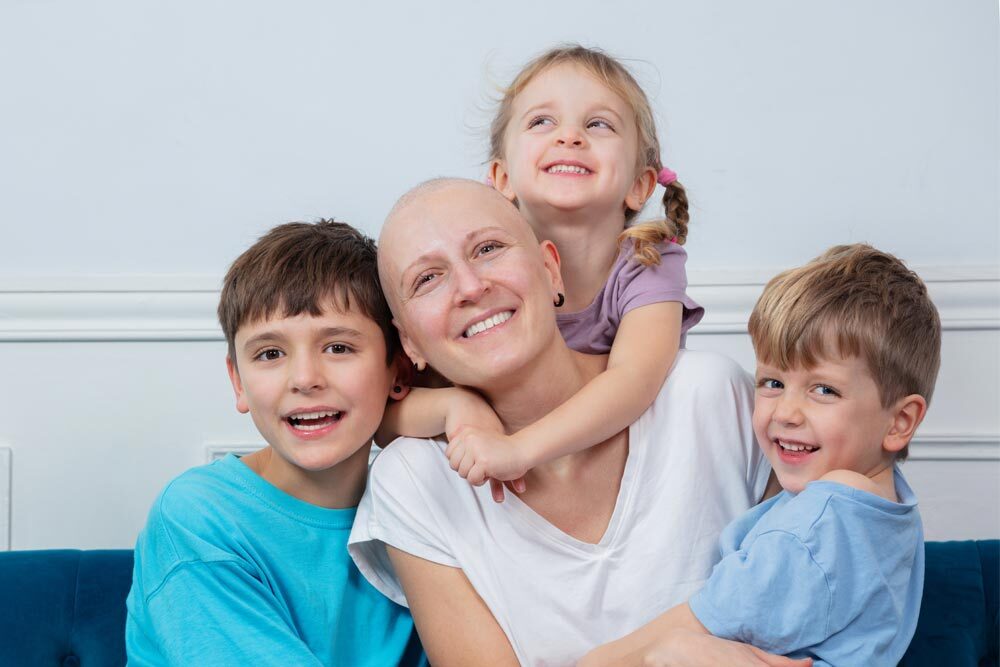
A cancer diagnosis can profoundly impact family routines, and relationships.

Four women of various ages and ethnicities smiling

Adapting to a New ‘Normal’ at Work

Returning to work after cancer treatment often requires adjustments .

Managing Post-Treatment Side Effects

Even after treatment ends, many cancer survivors experience lingering side effects .

Nutrition

A balanced diet and regular physical activity are essential for recovery and long-term health .

Mental Health as a Cancer Survivor

Many survivors face emotional challenges such as anxiety, or fear of recurrence.

Support After Cancer

Long-term support is vital for survivors as they adjust to life after treatment.

“You are braver than you believe, stronger than you seem, smarter than you think, and twice as beautiful as you’d ever imagined. Don’t let cancer cause you to sell yourself short or forget your worth.” — Unknown

Effects of Cancer On Family Life

A cancer diagnosis can profoundly impact family dynamics, routines, and relationships. Family members may experience their own emotional stresses, worry about the patient’s health, and take on new caregiving roles. Communication can become more open or strained, and adjusting to changes in roles—such as caregiver, supporter, or decision-maker—requires flexibility and understanding. Supporting the emotional needs of each family member and seeking family counseling or support groups can help the entire family navigate this challenging time together.

Adapting to a New ‘Normal’ at Work

Returning to work after cancer treatment often requires adjustments to accommodate ongoing health needs, fatigue, or emotional changes. Many survivors find they need to modify their schedules, work part-time, or explore flexible work arrangements. Open communication with employers about your needs can foster understanding and support. Establishing a new routine that balances recovery with professional responsibilities helps rebuild confidence and maintain a sense of purpose.

Managing Post-Treatment Side Effects

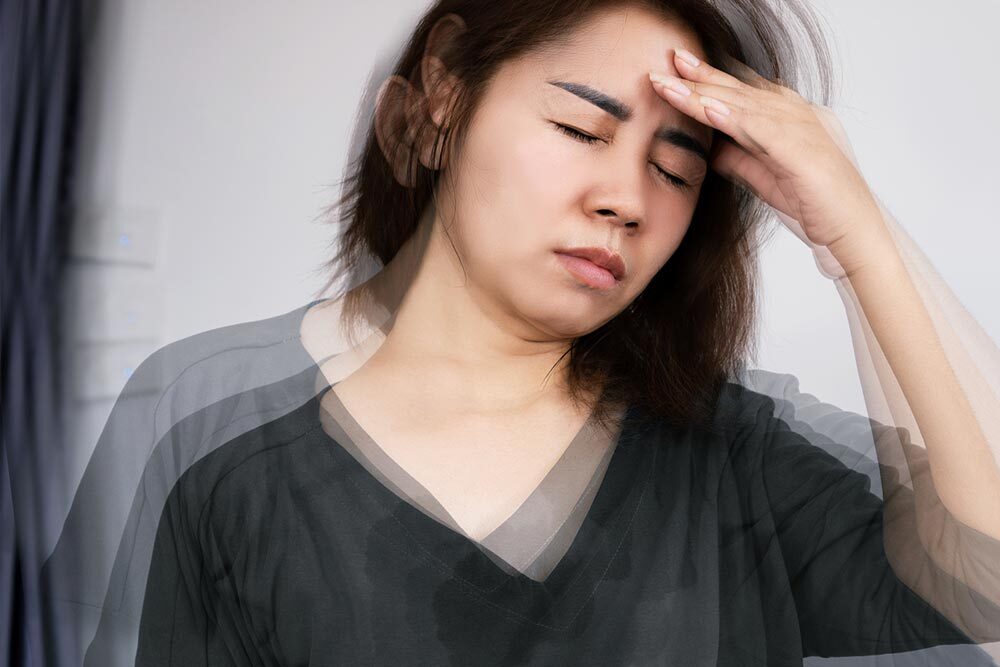
Even after treatment ends, many cancer survivors experience lingering side effects such as fatigue, pain, neurological changes, or hormonal imbalances. Managing these symptoms often involves ongoing medical care, physical therapy, medication, or lifestyle adjustments. Being proactive in monitoring your health and collaborating closely with your healthcare team can improve quality of life and reduce the impact of these side effects on daily activities.

Nutrition

A balanced diet and regular physical activity are essential for recovery and long-term health after cancer. Proper nutrition supports immune function, helps manage weight, and reduces fatigue. Exercise, tailored to individual abilities, can improve energy levels, mood, and physical strength. Consulting with your healthcare team or a registered dietitian can help develop personalized plans that promote healing, boost overall wellness, and reduce the risk of recurrence.

Mental Health as a Cancer Survivor

Psychological resilience plays a crucial role in survivorship. Many survivors face emotional challenges such as anxiety, depression, or fear of recurrence. Prioritizing mental health through counseling, support groups, mindfulness practices, or relaxation techniques can foster emotional well-being. Recognizing that emotional healing is part of the journey encourages survivors to seek help when needed and to nurture a positive outlook.

Support After Cancer

Long-term support is vital for survivors as they adjust to life after treatment. This includes regular follow-up medical care, lifestyle modifications, and connecting with peer support groups. Community resources, survivorship programs, and active involvement in wellness activities can reduce feelings of isolation and empower survivors to manage ongoing health concerns. Building a supportive network helps maintain health, motivation, and hope in the years beyond active treatment.