El Portal Comprehensive Cancer Centers is well-equipped with advanced diagnostic imaging technologies such as PET/CT, MRI, CT scans, ultrasound, and bone scans.
Gathering information from all the angles
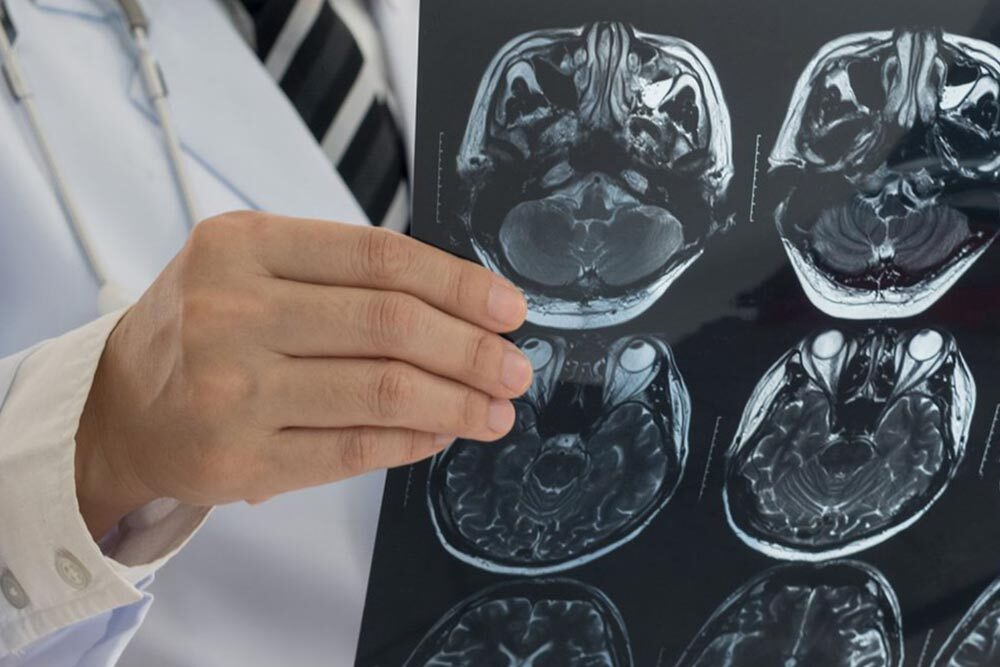
Diagnostic imaging is essential for helping your team find and target tumors accurately. El Portal Comprehensive Cancer Centers (EPCCC) has modern imaging technology like PET/CT, MRI, CT scans, ultrasound, and bone scans. These tools give us clear information about where the tumor is in relation to nearby organs, nerves, arteries, and tissues. This precise information allows our doctors to focus on the tumor while minimizing radiation exposure to healthy areas. By using detailed imaging for planning treatment, we can deliver radiation therapy more effectively to the tumor and lower the chances of side effects for healthy tissues in the body.
What are the risk factors?
All x-rays produce ionizing radiation, which has the potential to cause biological effects in the human body. For patients, these biological effects can range from an increased lifetime risk of cancer to possible allergic reactions or kidney failure due to contrast agents. Under some rare circumstances of prolonged, high-dose exposure, x-rays can cause adverse health effects such as skin reddening, skin tissue injury, hair loss, cataracts, or birth defects (if scanning conducted during pregnancy).
For conventional x-rays, the amount of radiation delivered to a patient is extremely low. However, for a CT exam, such as a study of the abdomen, the radiation delivered to the patient can be equivalent to as many as 400 chest x-rays. Similarly, a CT exam of the head can produce the equivalent of about 100 chest x-rays. For this reason, it’s important that CT exams are limited only to those cases where the benefit to be gained greatly outweighs the increased risk. This is especially true for children, who are more sensitive to ionizing radiation and have a longer life expectancy and, thus, have a higher relative risk for developing cancer than adults.
What is a computed tomography (CT) scan?
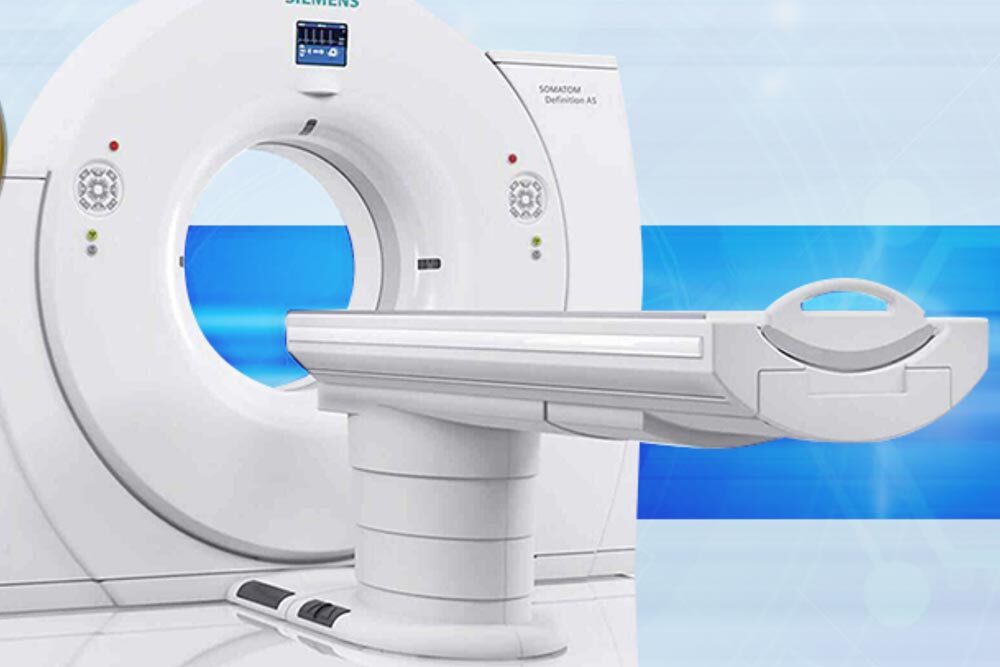
The term “computed tomography”, or CT, refers to a computerized x-ray imaging procedure in which a narrow beam of x-rays is concentrated at a patient and quickly rotated around the body, producing signals that are processed by the machine’s computer to generate cross-sectional images—or “slices”. These slices are called tomographic images and contain more detailed information than conventional x-rays.
Once a number of successive slices are collected by the machine’s computer, they can be digitally “stacked” together to form a three-dimensional image of the patient that allows for easier identification and location of basic structures as well as possible tumors or abnormalities.
Diagnostic Imaging Services
At El Portal Comprehensive Cancer Centers as part of our commitment to being a one-stop resource for comprehensive cancer care, we offer dedicated imaging centers with CT and PET/CT scanners within many of our clinics.
“In life, you have 3 choices. Give up, give in, or give it your all.”
— Charleston Parker


 “In life, you have 3 choices. Give up, give in, or give it your all.”
— Charleston Parker
“In life, you have 3 choices. Give up, give in, or give it your all.”
— Charleston Parker