
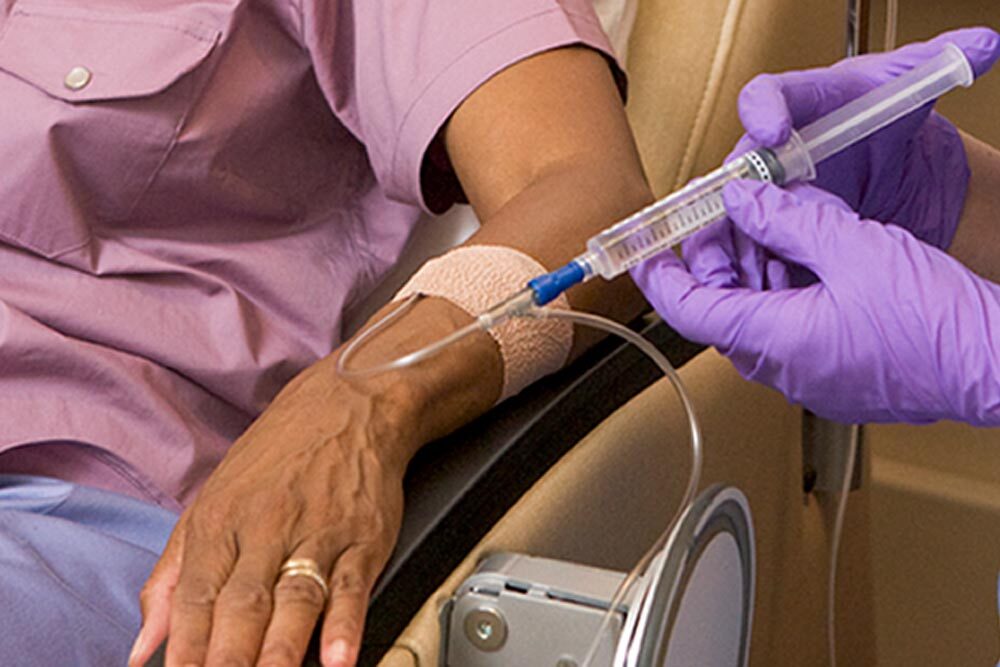


Infusions

Infusions are a method of delivering medications directly into the bloodstream through an intravenous (IV) line. This technique is commonly used for various conditions, offering an efficient way to administer treatments.

Infusion Therapy

Infusion therapy is a powerful tool in modern medicine, effectively treating a variety of conditions while delivering medications directly into the bloodstream. Understanding the potential risks, side effects, and overall success rates can help patients and caregivers make informed decisions about their treatment plans. Regular follow-up with healthcare providers is essential to monitor progress and address any concerns that arise during therapy.

Your Health. Our Priority,

Infusion therapy is a powerful tool in modern medicine, effectively treating a variety of conditions while delivering medications directly into the bloodstream. Understanding the potential risks, side effects, and overall success rates can help patients and caregivers make informed decisions about their treatment plans. Regular follow-up with healthcare providers is essential to monitor progress and address any concerns that arise during therapy.

Conditions Treated

Infusions are used to treat a wide range of medical conditions from dehydration to cancer.

Risk Factors for Infusion Therapy

While infusion therapy is generally safe, certain factors may increase the risk of complications.

Side Effects of Infusion Therapy

Side effects of infusion therapy can vary depending on the type of medication and individual patient factors.

Success Rates

Regular follow-up with healthcare providers is essential to monitor progress and address any concerns that arise during therapy.

“Be kind, for everyone you meet is fighting some type of battle.” — Unknown

Infusion Therapy - Conditions Treated

Infusions are used to treat a wide range of medical conditions, including:

  • Cancer: Chemotherapy agents, targeted therapies, and immunotherapies are often administered via infusion to treat various cancers such as breast, lung, and leukemia.
  • Autoimmune Disorders: Conditions like rheumatoid arthritis, lupus, and multiple sclerosis may be treated with biological agents delivered through infusions to help regulate the immune system.
  • Infections: Severe infections might require antibiotics delivered through infusion for immediate and effective treatment.
  • Nutritional Support: Patients unable to eat or absorb nutrients through the gastrointestinal tract may receive nutritional solutions (Total Parenteral Nutrition, TPN) via infusion.
  • Pain Management: For chronic pain conditions, infusions of medications such as opioids or analgesics may provide relief.
  • Hydration and Electrolyte Replacement: IV fluids are commonly used for rehydration in patients with severe dehydration or electrolyte imbalances.

Risk Factors for Infusion Therapy

While infusion therapy is generally safe, certain factors may increase the risk of complications, including:

  • Allergies:Some patients may have allergic reactions to medications being infused.
  • Infection Risk:The insertion of IV lines can lead to infections if not performed under sterile conditions.
  • Pre-existing Conditions:Patients with compromised immune systems, heart conditions, or kidney issues may face additional risks.
  • Substance Interactions:Patients should disclose all medications, supplements, and herbal products they are taking, as interactions can occur.


Timing of Treatments:
The timing of infusion treatments varies based on the condition being treated:

  • Cancer Patients: Infusion schedules can be based on specific chemotherapy regimens, often occurring every few weeks or as prescribed by an oncologist.
  • Autoimmune Disorders: Infusions may be scheduled monthly or as part of a broader treatment plan based on symptoms and disease activity.
  • Acute Conditions: Infusions for infections or severe hydration may occur as needed, often in a hospital setting.

Side Effects of Infusion Therapy

Side effects of infusion therapy can vary depending on the type of medication and individual patient factors. Common side effects include:

  • Infusion Reactions:Fever, chills, or rashes occurring during or shortly after the infusion.
  • Nausea and Vomiting:Particularly common with chemotherapy agents.
  • Fatigue:Many patients experience tiredness following infusion sessions.
  • Infections:Risks associated with the use of IV lines.
  • Local Reactions: Bruising, swelling, or inflammation at the injection site.

Success Rates of Infusion Therapy

The success rate of infusion therapy depends on several factors, including:

  • Type of Condition: Certain cancer treatments administered via infusion can have high cure rates, especially when applied at early stages.
  • Individual Response: How a patient responds to the specific medication influences effectiveness.
  • Comprehensive Treatment Plan: Optimizing infusion therapy as part of a broader treatment strategy (including surgery, radiotherapy, etc.) can enhance success rates.


For example:

  • Chemotherapy: May lead to significant tumor shrinkage or remission in many cancer patients.
  • Biologics for Autoimmunity: Often result in substantial improvements in symptoms and quality of life for patients with autoimmune diseases.