


Chemotherapy

Receiving a recommendation for chemotherapy can feel overwhelming, but understanding what to expect during this treatment is a vital step in your healthcare journey.

What is Chemotherapy?

Chemotherapy is a type of cancer treatment that uses powerful drugs to kill cancer cells or stop their growth. It works by targeting rapidly dividing cells, which is a characteristic of cancer cells. Chemotherapy can be administered in various ways, including:

  1. Intravenous (IV): Drugs are delivered directly into the bloodstream through a vein.
  2. Oral: Patients take chemotherapy pills or capsules.
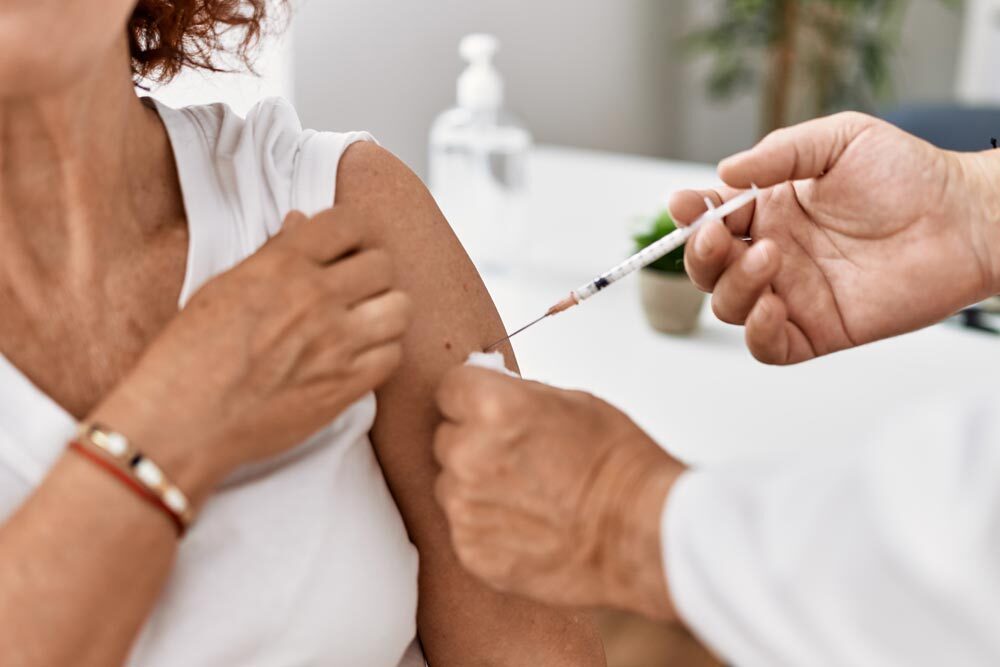
  3. Injection: Chemo drugs can be injected into specific sites, such as muscles or skin.


Common Uses:

  • Primary Treatment: Used to shrink tumors before surgery (neoadjuvant chemotherapy) or to eliminate remaining cancer cells after surgery (adjuvant chemotherapy).
  • Palliative Care: Helps relieve symptoms in advanced cancer cases.

What to Expect at Your First Chemotherapy Appointment

Following your initial consultation with the El Portal team, where your treatment plan is outlined and questions are answered, you'll be scheduled for a chemotherapy education class

How is Chemotherapy Determined to Be Right for You?

When you’re referred to EPCCC, your medical oncologist and a team of cancer specialists will create a personalized treatment plan tailored to your specific circumstances

Side Effects After Chemotherapy

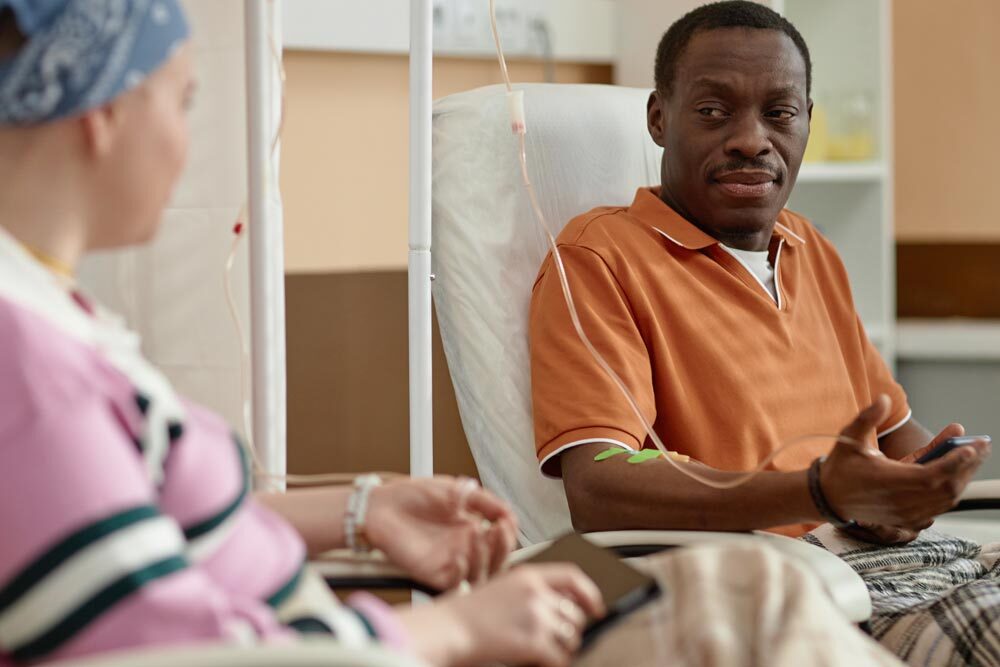
After completing your chemotherapy infusion, your oncology nurse will remove your IV, and you'll be free to return home. How you feel afterward varies based on the type of medication administered and your individual response.

Receiving Additional Treatments Alongside Chemotherapy?

In certain cases, chemotherapy may be the sole treatment required. However, it is frequently used in conjunction with other therapies to maximize chances of success.

Managing Chemotherapy Side Effects

Adopting a healthy lifestyle during cancer treatment can help mitigate some side effects and improve your overall well-being

When to Reach Out to Your Doctor

Thanks to recent developments in treatment, many patients find that the severity of chemotherapy side effects has diminished over the years

“You can always give something, even if it is only kindness.” — Anne Frank

Your First Chemotherapy Appointment

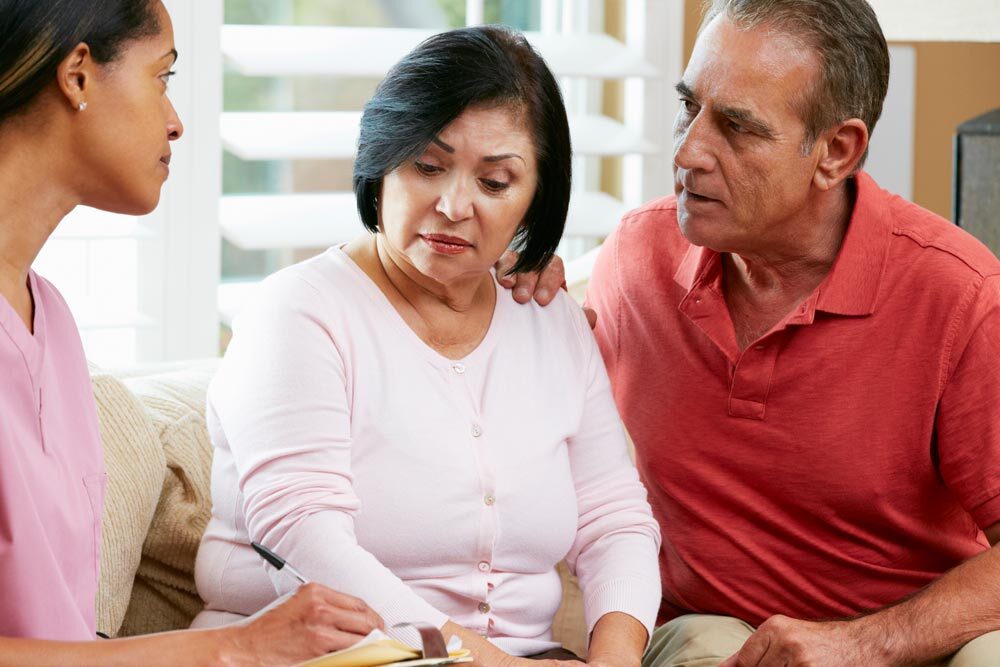
Following your initial consultation with the El Portal team, where your treatment plan is outlined and questions are answered, you’ll be scheduled for a chemotherapy education class. This class will give you essential information about what to anticipate during your treatments, including the duration of appointments, the procedures involved, and resources for addressing questions or side effects after hours.

During this class, you will also meet with a dedicated Patient Financial Counselor who will discuss treatment costs, insurance pre-authorization, and any financial concerns you may have. Once your insurance authorizes your treatment, our office staff will contact you to schedule your first chemotherapy session.

Preparing for Your First Chemotherapy Appointment

Your care team will provide specific instructions for preparing for your first treatment, but in general, preparation is minimal. Drinking plenty of water the day before treatment is recommended, and it is advisable to eat a light meal prior to your appointment. Packing a snack may also help alleviate potential nausea. It’s a good idea to have someone drive you to and from your appointment in case you experience fatigue or nausea afterward.

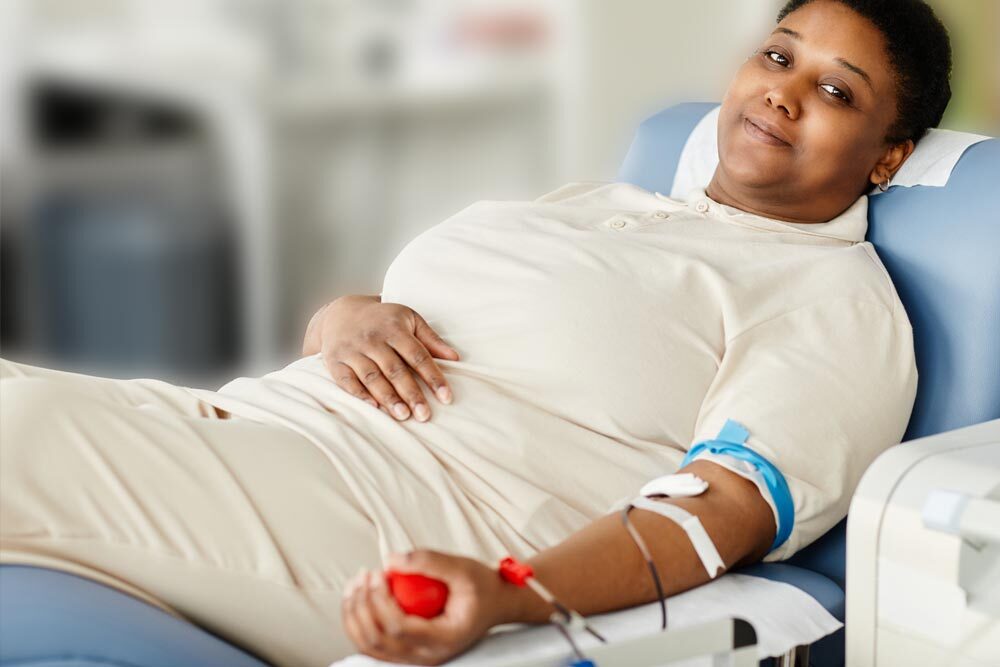
During your first visit, you will be weighed and have your vital signs checked to ensure it is safe to proceed with chemotherapy. An oncology nurse will insert an IV into your hand or arm, or connect an IV line to your pre-implanted port, if applicable. The chemotherapy drugs will be administered through the IV in a slow, continuous manner. As you receive treatment, you can relax in one of our spacious, light-filled treatment bays equipped with reclining chairs and WiFi access.

Each session may require several hours, so bringing a book or something to watch can make the time more enjoyable. Snacks and water are permitted, and you can make use of the restroom as needed throughout the treatment.


How is Chemotherapy Determined to Be Right for You?

When you’re referred to EPCCC, your medical oncologist and a team of cancer specialists will create a personalized treatment plan tailored to your specific circumstances, considering factors such as:

  • Type and grade of your cancer
  • Size and location of your tumor
  • Sensitivity of surrounding tissues
  • Genetic factors
  • Family medical history
  • Your age, overall health, and previous medical history
  • Your treatment goals and preferences


What to Expect During Chemotherapy Treatments

After your initial meeting with your cancer care team to discuss your treatment plan and address any questions, you will be scheduled to attend a chemotherapy education class at El Portal Comprehensive Cancer Centers. This session will provide valuable insights into what you can anticipate from chemotherapy treatment. You will also have the opportunity to meet privately with one of our dedicated cancer financial counselors to discuss treatment costs, insurance coverage, and potential financial assistance.

Your regular chemotherapy treatments will vary based on the specific type of therapy prescribed. Some chemotherapy drugs are given via injection, which is quick, while most are delivered through intravenous infusion, allowing the medication to enter your veins in a slow, continuous manner.

Side Effects of Chemotherapy

One of the most frequently reported side effects among cancer patients is fatigue. This deep-seated tiredness—often referred to as cancer-related fatigue—can differ significantly from the fatigue experienced by healthy individuals. It can manifest suddenly or gradually, and may not improve with rest. In some cases, fatigue may be compounded by other factors such as anemia and pain. The encouraging news is that this fatigue typically resolves within weeks following the conclusion of treatment.

While side effects will vary by cancer type and individual patient responses, not everyone will experience the same issues. It’s essential to approach this variability with mindfulness and not to expend excessive energy worrying about potential side effects.

Chemotherapy side effects may include:

  • Mental fog, often described as “chemo brain,” leading to forgetfulness and difficulty concentrating
  • Hair loss
  • Easy bruising or bleeding
  • Increased susceptibility to infections (bacterial, viral, or fungal)
  • Anemia (low red blood cell count)
  • Nausea and vomiting
  • Loss of appetite
  • Constipation and diarrhea
  • Pain
  • Oral health issues, such as dry mouth, sores, and difficulty swallowing
  • Nerve and muscle concerns, including numbness and weakness
  • Changes to skin and nails, such as dryness and cracking
  • Altered urinary characteristics, affecting color and smell
  • Weight loss
  • Changes in memory and concentration
  • Mood fluctuations
  • Alterations in libido and sexual function
  • Potential fertility challenges
  • Heart-related concerns

Receiving Additional Treatments Alongside Chemotherapy

In certain cases, chemotherapy may be the sole treatment required. However, it is frequently used in conjunction with other therapies, such as surgery or radiation therapy, to maximize chances of success.

  • Neoadjuvant Chemotherapy: Administered before surgery to shrink tumors or halt cancer spread, making surgical procedures less invasive and more effective.
  • Concurrent Treatment: Involving chemotherapy or immunotherapy given simultaneously with radiation therapy.
  • Adjuvant Chemotherapy: Given after surgery to eliminate any remaining cancer cells, aimed at reducing recurrence risk.


Who Will Oversee Your Chemotherapy?

Your treatment will be overseen by a medical oncologist, a specialist who evaluates your cancer diagnosis and all available treatment options, creating a personalized plan tailored to your needs. As the “quarterback” of your care team at El Portal Comprehensive Cancer Centers, your oncologist will determine chemotherapy’s appropriateness based on several factors, including tumor type, stage, size, and personal considerations.

Your oncologist works alongside a diverse team of healthcare professionals, including radiation oncologists and surgeons, to coordinate your overall care seamlessly. During treatment sessions, a specially trained oncology nurse will administer chemotherapy, monitor your health, address your questions, and assist you in managing any side effects.

Managing Chemotherapy Side Effects

Adopting a healthy lifestyle during cancer treatment can help mitigate some side effects and improve your overall well-being. Here are several strategies to consider for managing chemotherapy side effects:

  1. Prioritize Rest: Cancer treatment can be exhausting. Make sure to get ample rest, delegate tasks when necessary, and don’t hesitate to ask for help.
  2. Stay Active When Possible: While rest is essential, gentle physical activity can enhance energy levels, improve circulation, reduce stress, and maintain muscle strength. Discuss suitable activities with your healthcare provider to find what works best for you.
  3. Communicate About Medications: Some medications can interact negatively with cancer treatments. Inform your care team about all the medications you’re taking, including over-the-counter drugs, supplements, and vitamins.
  4. Care for Your Skin: If you experience dryness or irritation from treatment, use gentle skincare products. Warm baths with baby oil and fragrance-free lotions can provide relief. Protect your skin from extreme temperatures and stay hydrated.
  5. Recognize Your Emotions: The emotional toll of cancer treatment is significant. Feelings of anxiety, anger, sadness, or isolation are common. Engaging with support groups, whether in-person or online, can provide valuable connection and understanding. At El Portal Comprehensive Cancer Centers (EPCCC), we offer resources to help you cope with the emotional aspects of treatment, including support groups and access to licensed clinical oncology social workers. If you find your feelings overwhelming, be sure to discuss them with your care team.

When to Reach Out to Your Doctor

Thanks to recent developments in treatment, many patients find that the severity of chemotherapy side effects has diminished over the years. New medications are also available to help manage side effects, but occasionally, these medications may bring their own challenges.

In certain cases, side effects may signal more serious complications. If you experience any of the following worsening symptoms, please reach out to your care team at EPCCC for guidance (unless experiencing a life-threatening emergency). Our board-certified medical oncologists and specially trained nurses are well-equipped to evaluate your symptoms and recommend appropriate interventions.

If you encounter any of the following issues, our medical professionals are available 24/7 to assist:

  • Fever of 100.4°F (38°C) or higher
  • Unexplained bruising or bleeding
  • Severe rashes or itching
  • Swelling in the mouth or throat, along with mouth sores or trouble swallowing
  • Swelling in the neck, shoulder, arms, or legs, especially if asymmetrical
  • Intense chills
  • Unmanaged pain at injection or catheter sites
  • Unusual pain, including severe headaches
  • Difficulty breathing (immediate emergency care is needed)
  • Persistent diarrhea or vomiting
  • Blood in stool or urine
  • Severe fatigue
  • Burning sensation during urination, with lower back pain (potential UTI)
  • Productive cough with colored sputum
  • Unresolved diarrhea, constipation, nausea, or vomiting
  • Dizziness or lightheaded
  • Numbness, tingling (feeling of pins and needles) of hands and/or feet