

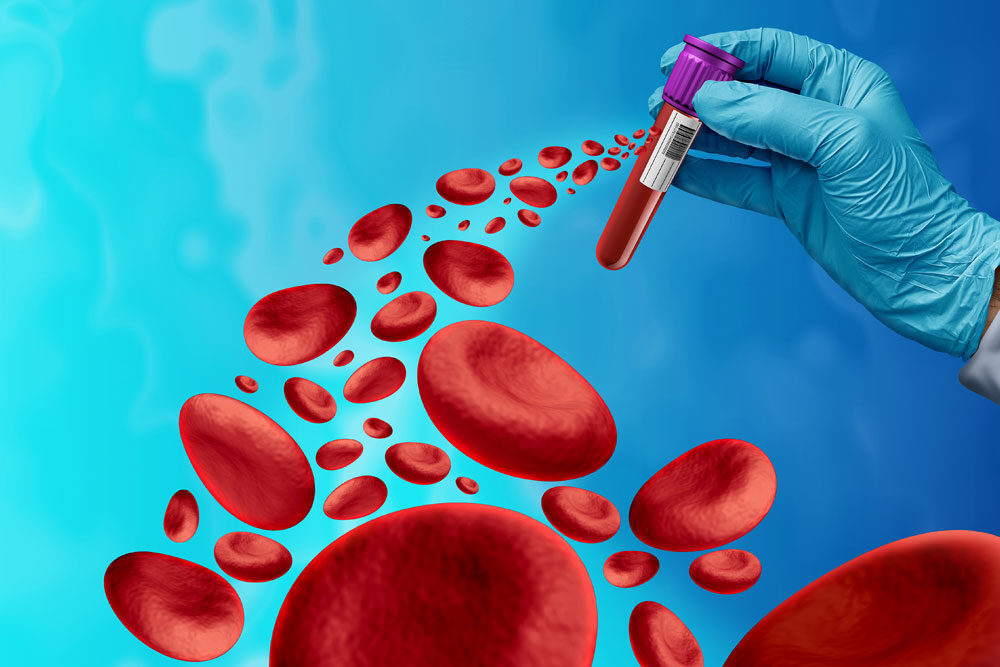

Non-Cancerous Blood Disorders

Non-cancerous blood disorders encompass a range of conditions that affect the various components of blood, including red and white blood cells, platelets, and the immune system.

Anemia

Anemia occurs when there is a deficiency of red blood cells or hemoglobin in the blood.

Bleeding Disorders

Bleeding disorders are conditions in which the blood does not clot properly, leading to excessive bleeding.

Blood Clotting Disorders

The balance between bleeding and clotting is crucial for health. Sometimes, this system does not function properly.

Myelodysplastic Syndromes (MDS)

Myelodysplastic syndromes represent a group of disorders where the bone marrow fails to produce healthy blood cells.

Other Blood Disorders

At El Portal Comprehensive Cancer Centers understanding these non-cancerous blood disorders is essential for effective diagnosis and treatment. EPCC’s healthcare team also treat various other blood disorders, including:

Hereditary Disorders of Hemoglobin are genetic conditions that affect the structure or production of hemoglobin, the protein in red blood cells responsible for transporting oxygen throughout the body. The most well-known of these disorders include sickle cell disease and thalassemia. In sickle cell disease, abnormal hemoglobin causes red blood cells to assume a rigid, crescent shape, leading to blockages in blood vessels and reduced oxygen delivery, which can result in pain and organ damage. Thalassemia involves a deficiency in one of the hemoglobin chains, leading to anemia and other complications. Symptoms can vary widely based on the type and severity of the disorder but often include fatigue, weakness, and an increased risk of infections. Management typically focuses on relieving symptoms and preventing complications through blood transfusions, medications, and lifestyle adjustments, with curative options like bone marrow or stem cell transplants available for some patients.

Thrombocytopenia is a medical condition characterized by an abnormally low level of platelets in the blood, which are essential for proper clotting. This can lead to increased bleeding or bruising, making even minor injuries a concern.

Thrombocytopenia can result from various causes, including bone marrow disorders, certain medications, autoimmune diseases, or conditions that cause the destruction of platelets. Symptoms may include easy bruising, prolonged bleeding from cuts, petechiae (small red or purple spots on the skin), and heavy menstrual periods. Treatment depends on the underlying cause and the severity of the condition and may involve medications, blood transfusions, or other therapeutic approaches aimed at increasing platelet counts and preventing complications.

Myeloproliferative disorders (MPDs) are a group of blood cancers characterized by the excessive production of blood cells in the bone marrow. This can lead to an increase in red blood cells, white blood cells, or platelets, disrupting normal blood function and potentially causing complications.

Common types of MPDs include polycythemia vera, essential thrombocythemia, and primary myelofibrosis. Symptoms may vary but can include fatigue, weakness, painful swelling, and an increased risk of blood clots. Treatment options often aim to manage symptoms and reduce the risk of complications, such as phlebotomy, medications, or more advanced therapies depending on the specific disorder and individual patient needs.

“Hope is the only thing stronger than fear.” — Suzanne Collins.

Anemia

Anemia is the most prevalent benign blood disorder, impacting more than 3 million Americans, according to the National Heart, Lung, and Blood Institute. Anemia occurs when there is a deficiency of red blood cells or hemoglobin in the blood.

Common Symptoms:

  • Weakness
  • Shortness of breath
  • Dizziness
  • Pale skin


Anemia can particularly affect women during pregnancy or their childbearing years due to increased iron demands.

Causes of Anemia:

  1. Iron Deficiency Anemia: The most common type, usually caused by blood loss from heavy menstrual cycles or gastrointestinal issues, or from inadequate dietary iron. Treatment typically involves iron supplementation, either orally or intravenously.
  2. Aplastic Anemia: A rare condition where the bone marrow fails to produce enough blood cells. Causes may include exposure to toxins, medications, or autoimmune disorders. Diagnosis often requires a bone marrow biopsy. Treatment may include immunosuppressive therapies or bone marrow transplantation.
  3. Hemolytic Anemia: Occurs when red blood cells are destroyed faster than they can be produced. Causes range from infections to autoimmune disorders, with treatment addressing underlying causes and sometimes using corticosteroids.


Anemia Treatment
depends on its cause, severity, and the individual’s overall health. Here are some common treatment options:

  1. Dietary Changes: Increasing intake of iron-rich foods (e.g., red meat, beans, lentils, spinach) and foods high in vitamin B12 and folate (e.g., dairy, eggs, leafy greens).

  2. Iron Supplements: Oral or intravenous iron supplements may be prescribed, especially for iron-deficiency anemia.

  3. Vitamin Supplements: If the anemia is due to vitamin B12 or folate deficiency, supplements or injections may be recommended.

  4. Medications: For anemia related to chronic diseases, medications such as erythropoietin-stimulating agents may be used to stimulate red blood cell production.

  5. Blood Transfusions: In severe cases, a transfusion of red blood cells may be necessary to quickly increase hemoglobin levels.

  6. Managing Underlying Conditions: Treating the underlying cause of anemia, such as chronic kidney disease, can alleviate symptoms.

  7. Bone Marrow Stimulants: In certain cases, treatments that stimulate the bone marrow to produce more red blood cells may be indicated.

It’s essential to consult a healthcare provider for a proper diagnosis and treatment plan tailored to the individual’s specific condition and needs.T


Bleeding Disorders

Bleeding disorders are conditions in which the blood does not clot properly, leading to excessive bleeding. At El Portal Comprehensive Cancer Centers, our experts specialize in treating various bleeding disorders, including hemophilia and von Willebrand disease.

  • Hemophilia: A genetic disorder mainly affecting males, characterized by excessive bleeding from minor injuries. Modern treatments use synthetic concentrated clotting factors administered intravenously, along with vasopressin to manage bleeding.
  • Von Willebrand Disease : An inherited condition caused by a deficiency in a protein essential for blood clotting. Treatment focuses on preventing and managing bleeding episodes, often using synthetic hormones similar to vasopressin.

Treatment options for bleeding disorders like hemophilia and von Willebrand disease (vWD) focus on managing and preventing bleeding episodes. Here are common approaches for each:

Hemophilia:

  1. Factor Replacement Therapy:
    • Prophylactic Treatment: Regular infusions of clotting factor concentrates (Factor VIII for Hemophilia A and Factor IX for Hemophilia B) to prevent bleeding episodes.
    • On-Demand Treatment: Administering clotting factors when a bleeding episode occurs.
  2. Desmopressin (DDAVP):
    • Used for mild cases of Hemophilia A to stimulate the release of stored Factor VIII from blood vessel lining.
  3. Gene Therapy:
    • Investigational treatments aim to provide a functional copy of the missing clotting factor gene, potentially offering a long-term solution.
  4. Supportive Treatments:
    • Pain management and rehabilitation for joint health, along with lifestyle adjustments to prevent injury.


von Willebrand Disease (vWD):

  1. Desmopressin (DDAVP):
    • The first line of treatment for many with type 1 vWD and some with type 2, as it helps increase von Willebrand factor (vWF) and Factor VIII levels in the blood.
  2. Factor Replacement Therapy:
    • Concentrates containing von Willebrand factor and Factor VIII may be used for severe cases or during surgery.
  3. Antifibrinolytic Agents:
    • Medications like tranexamic acid may be used to help prevent bleeding during dental procedures or other situations.
  4. Avoiding Medications That Affect Clotting:
    • Recommendations to avoid aspirin and non-steroidal anti-inflammatory drugs (NSAIDs) that can increase bleeding risk.
  5. Lifestyle and Preventive Measures:
    • Education on avoiding injuries and managing heavy menstrual bleeding in women.


It’s crucial for individuals with bleeding disorders to work closely with a healthcare provider or a specialized hematologist to tailor treatment plans based on their specific needs and to manage their condition effectively.

Blood Clotting Disorders

Treatment options for blood clotting disorders aim to prevent clots from forming, manage existing clots, and reduce the risk of complications. Here are some common approaches based on different types of clotting disorders:

1. Anticoagulant Medications:

– Warfarin (Coumadin): A vitamin K antagonist used to prevent the formation of new clots and to keep existing clots from growing.

– Direct Oral Anticoagulants (DOACs): Medications such as apixaban (Eliquis), rivaroxaban (Xarelto), and dabigatran (Pradaxa) that directly inhibit specific clotting factors.

2. Antiplatelet Medications:

– Aspirin: Often used to prevent clot formation in arteries, particularly in individuals with a history of heart attacks or stroke.

– Clopidogrel (Plavix): Another antiplatelet medication that may be used alone or in combination with aspirin.

3. Thrombolytics:

– Clot Busters: Medications like alteplase (Activase) are used in emergency situations to dissolve large clots quickly, such as those causing strokes or pulmonary embolisms.

4. Compression Therapy:

– Compression Stockings: Used to improve blood flow and reduce swelling in individuals with venous thromboembolism (VTE) or chronic venous insufficiency.

5. Surgery:

– Thrombectomy: Surgical removal of a blood clot may be necessary in severe cases.

– Placement of Inferior Vena Cava (IVC) Filters: A filter may be placed in the IVC to catch clots that may travel from the legs to the lungs, particularly in patients with recurrent clots.

6. Lifestyle and Preventive Measures:

– Dietary Changes: Monitoring vitamin K intake (for patients on warfarin) and maintaining a balanced diet.

– Regular Exercise: Encouraging activity that enhances blood flow, while ensuring safety to avoid injury.

– Hydration: Staying well-hydrated to help maintain proper blood viscosity.

7. Management of Underlying Conditions:

Treating conditions that contribute to clotting disorders, such as atrial fibrillation, hormonal imbalances, or certain types of cancer.

Genetic Counseling:

For hereditary clotting disorders, genetic counseling may be beneficial for affected individuals and their families to understand risks and management strategies.

It’s essential for individuals with blood clotting disorders to work closely with a healthcare provider to develop a tailored treatment plan and to monitor their condition effectively. Regular follow-up and education about the disorder are also crucial parts of effective management.

Myelodysplastic Syndromes (MDS)

Myelodysplastic syndromes represent a group of disorders where the bone marrow fails to produce healthy blood cells, leading to insufficient white blood cells, red blood cells, and platelets. Patients with MDS may experience:

  • Increased risk of infections due to low white blood cell counts.
  • Fatigue and shortness of breath from anemia.
  • Excessive bleeding due to low platelet levels.


Treatment options
may include blood transfusions, medications to stimulate blood cell production, or immune-suppressive therapies.