Leukemia

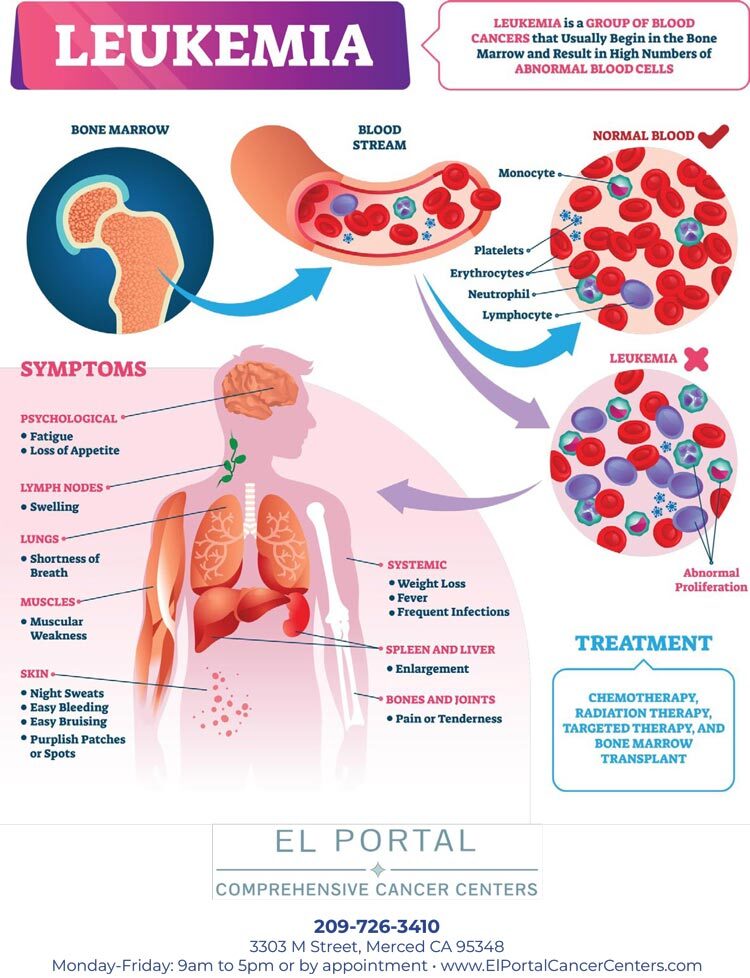
Leukemia affects the blood and bone marrow leading to the production of abnormal white blood cells. These cells compromise the immune system and can hinder the body’s ability to fight infections effectively.

Understanding Leukemia: A Comprehensive Mission

Leukemia is a complex disease that affects countless individuals and families. Understanding its types, causes, symptoms, and treatment options is essential for navigating this challenging journey. Early diagnosis and treatment significantly enhance the prognosis for those affected. As research continues to advance, hope remains for better therapies and improved outcomes for leukemia patients. If you or someone you know is affected by leukemia, seeking prompt medical advice and support can make a profound difference in the journey ahead.

Leukemia Classified
– Acute or Chronic

Acute Leukemia:This type progresses rapidly and involves immature blood cells. Symptoms can appear quickly, which often necessitates urgent medical intervention. Acute leukemias typically require immediate treatment as they can become life-threatening in a matter of weeks.

Chronic Leukemia:This type progresses more slowly, involving more mature cells. Patients may live for many years without symptoms, making regular check-ups crucial for early detection.

Lymphoblastic or Myeloid:

Lymphoblastic Leukemia:This form affects lymphoid cells and is more common in children.

Myeloid Leukemia:This form affects myeloid cells which typically develop into red blood cells, platelets, and some types of white blood cells.

Common Types of
Leukemia

Acute Lymphoblastic Leukemia (ALL): Primarily seen in children, this rapidly progressing leukemia involves a surge in lymphoblasts, leading to various complications if not treated promptly.

Acute Myeloid Leukemia (AML): This type is more common in adults and can occur suddenly. It involves an accumulation of myeloid cells and has several subtypes, which may respond differently to treatment.

Chronic Lymphocytic Leukemia (CLL): This is the most common type of leukemia in adults, often diagnosed during routine blood tests. It typically progresses slowly and may not require immediate treatment.

Chronic Myeloid Leukemia (CML): CML is characterized by an overproduction of myeloid cells and is often associated with a specific genetic mutation known as the Philadelphia chromosome.

Less Common Types
of Leukemia

Acute Promyelocytic Leukemia (APL): A subtype of AML, APL is characterized by the presence of promyelocytes and is particularly sensitive to specific forms of treatment.

Chronic Monocytic Leukemia (CMML): This type has features of both leukemia and myelodysplastic syndromes, and it primarily affects older adults.

Hairy Cell Leukemia: A rare type of chronic leukemia characterized by the presence of unique “hairy” cells in the blood, which interfere with normal blood cell production.

Causes & Risk Factors of Leukemia

While the precise causes of leukemia remain unclear, certain factors have been identified that may increase the likelihood of developing the disease.

Signs & Symptoms of Leukemia

Leukemia can present with a variety of symptoms, which may vary based on the type and can include other factors

Diagnosis and Treatment Options of Leukemia

Diagnosing leukemia typically involves a combination of medical history, physical examination, and specific tests.

Staging Leukemia

Staging is an essential process that helps determine the extent of the disease and guide treatment options.

What to Expect at Your First Appointment

Going over everything from your medical history and diagnosis, your care team will make sure that you are comfortable with your treatment options.

Questions to Consider Asking

When meeting with your hematologist, it’s essential to have your questions ready. Consider bringing a family member or friend for support.

Surviving and Your Quality of Life

While leukemia presents significant challenges, the statistics surrounding treatment and recovery illustrate remarkable progress. Continuous advancements in research, individualized treatment approaches, and the development of new therapies offer hope and promise for those diagnosed with this disease. Patients are encouraged to discuss their treatment options with their healthcare providers, as many pathways are available to improve outcomes and quality of life.

Overall Survival Rates

Acute Lymphoblastic Leukemia (ALL): In children, the 5-year survival rate for ALL is about 85-90%. This high survival rate is due to effective treatments such as chemotherapy and targeted therapies.

Acute Myeloid Leukemia (AML): The overall 5-year survival rate for AML has improved significantly, ranging from 25-40%, depending on factors like age and genetic mutations. New treatment approaches and targeted therapies continue to enhance these rates.

Chronic Lymphocytic Leukemia (CLL): The median survival for patients with CLL has increased thanks to advanced therapies, with a 5-year survival rate of about 83%and a 10-year survival rate of around 70%. Many patients live for years with manageable disease.

Chronic Myeloid Leukemia (CML): With the advent of targeted therapies like tyrosine kinase inhibitors, the 5-year survival rate for CML patients is now over 90%. Many patients can achieve long-term remission and maintain a good quality of life.

Advances in Treatment

Immunotherapy: Treatments like CAR T-cell therapy have shown remarkable potential. For particular types of leukemia, such as relapsed ALL, CAR T-cell therapy has achieved remission rates exceeding 80%in some studies.

Bone Marrow and Stem Cell Transplants: For eligible patients, stem cell transplants can significantly increase survival rates. Patients with certain types of leukemia demonstrate a 50-60% chance of surviving at least 5 yearspost-transplant, depending on factors like the source of the stem cells and disease status at the time of the transplant.

Quality of Life and Long-Term Outcomes

Long-Term Remission: Many patients who achieve complete remission from acute types of leukemia can remain disease-free for years, with ongoing improvements in treatment leading to better long-term outcomes.

Survivorship Programs: The establishment of survivorship programs helps leukemia survivors manage long-term health effects, psychological well-being, and quality of life, contributing to a fulfilling life post-treatment.

Ongoing Research and Future Prospects

Awareness and Early Detection: Increased awareness and better screening practices lead to more timely diagnoses and more effective early intervention, contributing to improved treatment outcomes.


Click above for your Leukemia chart. [PDF]

“A lesson for all of us is that for every loss, there is victory; for every sadness, there is joy; and when you think you’ve lost everything, there is hope.” — Unknown​

Leukemia – Cause & Risk Factors

While the precise causes of leukemia remain unclear, certain factors have been identified that may increase the likelihood of developing the disease.

Known Risk Factors for Leukemia Include:

  • Genetic Factors: Individuals with certain genetic syndromes, such as Down syndrome, are at higher risk for leukemia. Specific inherited genes may also predispose individuals to developing the disease.
  • Environmental Exposure: Long-term exposure to high levels of radiation—such as that from nuclear accidents—or exposure to chemicals like benzene (found in cigarette smoke and industrial emissions) has been linked to an increased risk of leukemia.
  • Age: The incidence of leukemia increases with age, though acute forms can occur in children as well.
  • Family History: Individuals with a family history of leukemia or other blood cancers are at a higher risk, indicating a potential genetic component.
  • Previous Cancer Treatment: Those who have undergone chemotherapy or radiation for other cancers may have an elevated risk of developing leukemia later on.

Leukemia – Signs & Symptoms

Leukemia can present with a variety of symptoms, which may vary based on the type but commonly include:

  • Fatigue or Weakness: A significant drop in red blood cells can lead to anemia, causing chronic fatigue, dizziness, and weakness.
  • Frequent Infections: Abnormal white blood cells can interfere with the immune system, resulting in increased susceptibility to infections.
  • Easy Bruising or Bleeding: Low platelet counts can impair the blood’s ability to clot, leading to excessive bruising, nosebleeds, or gum bleeding.
  • Unexplained Weight Loss: Many patients experience unintentional weight loss as a result of the body’s heightened metabolic need in response to the disease.
  • Night Sweats: Some individuals experience drenching sweats at night, often accompanying fever and chills.
  • Pain in the Bones or Joints: Some forms of leukemia.

Leukemia – Diagnosis & Treatment

Diagnosis of Leukemia

Diagnosing leukemia typically involves a combination of medical history, physical examination, and specific tests, including:

  • Blood Tests:To look for abnormal levels of white blood cells, red blood cells, and platelets.
  • Bone Marrow Biopsy:A definitive test to confirm leukemia and identify its type.
  • Imaging Tests:Such as CT scans or MRIs, to assess any organ involvement.


Leukemia Treatment Options

Treatment for leukemia is tailored to the type and stage of the disease but may include:

  • Chemotherapy:The primary treatment for most types of leukemia, aiming to kill cancer cells.
  • Radiation Therapy:Used to target specific areas and relieve symptoms.
  • Targeted Therapy:Drugs that specifically target cancer cell growth signals.
  • Stem Cell Transplant:Harvesting healthy stem cells to replace diseased bone marrow.

Staging Leukemia

Staging is an essential process that helps determine the extent of the disease and guide treatment options.

Chronic Lymphocytic Leukemia (CLL) Stages

CLL is typically classified into the following stages:

  1. Stage 0: Low-risk; increased lymphocyte count without symptoms.
  2. Stage I: Enlarged lymph nodes.
  3. Stage II: Enlarged lymph nodes and spleen or liver.
  4. Stage III: Anemia due to low red blood cell counts.
  5. Stage IV: Low platelet counts and significant complications.


Rai Staging System

The Rai Staging System is a common method to categorize CLL, based on physical examination and blood test results, including the number of lymphocytes and the presence of anemia or low platelet levels.

Chronic Myeloid Leukemia (CML) Stages

CML has three phases:

  1. Chronic Phase: Slow growth, often asymptomatic at diagnosis.
  2. Accelerated Phase: Disease begins to evolve, with signs of progression.
  3. Blastic Phase: Rapid growth, resembling acute leukemia and requiring urgent treatment.

What to Expect at Your First Appointment

Medical History Review: The hematologist will ask detailed questions regarding your medical history, family history, and any symptoms you’ve been experiencing. Be prepared to provide information on previous illnesses, medications, and treatments you have received.

Physical Examination: A physical exam will often be performed to assess your overall health and identify any signs of hematologic disorders. This may include checking for signs of anemia, swelling in lymph nodes, or other related symptoms.

Diagnostic Tests: You may undergo blood tests or, in some cases, a bone marrow biopsy to determine the nature of your condition. If you already have recent test results, bring copies.

Discussion of Symptoms: You’ll have the opportunity to discuss any symptoms you have been experiencing, such as fatigue, infections, or bleeding. Be specific about the duration and severity of each symptom.

Treatment Plan Discussion: Based on your diagnostic results, the hematologist will discuss potential treatment options, including the benefits and risks associated with each.

Referrals and Additional Tests: If needed, you may be referred to other specialists, or additional diagnostic tests may be scheduled.

Questions to Consider Asking

When meeting with the hematologist, it’s essential to have your questions ready. Here are some key questions that can guide the conversation:

Diagnosis Clarification:

  • What specific type of hematologic condition do I have?
  • How was this diagnosis determined?


Implications of Diagnosis:

  • What does my diagnosis mean for my health?
  • Are there any associated risks or complications?


Symptoms and Management:

  • What symptoms should I watch for that would require immediate medical attention?
  • Are there any lifestyle changes I should consider to manage my condition?


Treatment Options:

  • What treatments are available for my condition, and which do you recommend?
  • What are the potential side effects of each treatment option?
  • How long will treatment last, and what does it involve?


Prognosis:

  • What is the prognosis for my condition?
  • How often will I need follow-up appointments or tests?


Support Resources:

  • Are there support groups or resources you recommend for patients with similar diagnoses?
  • How can I get in touch with a nutritionist or mental health professional if needed?


Questions Regarding Future Visits:

  • How frequently will I need to return for follow-ups?
  • What tests or evaluations will be conducted during future visits?


Additional Tips for Your Appointment

  • Bring a Support Person: Consider bringing a family member or friend for support. They can help take notes and remember information discussed during the appointment.
  • Prepare a List: Write down your symptoms, concerns, and any medications you are currently taking. This preparation can ensure that you don’t forget important details during the visit.
  • Be Honest: Feel free to share your emotional state or any fears you may have regarding your health. Hematologists are trained to address both physical and emotional aspects of care.
  • Follow-up Questions: Don’t hesitate to ask for clarification if you don’t understand something. It’s essential to have a clear understanding of your diagnosis and treatment plan.

By preparing thoughtfully for your first hematologic oncology appointment and asking the right questions, you’ll be better positioned to address your health concerns and collaborate effectively with your healthcare team.